Houses · Food
Tools and Utensils for Making a Living in the Past EP.1
Houses · Food
Tools and Utensils for Making a Living in the Past EP.1
Tools and Utensils for Making a Living in the Past EP.1
🍀I want to say that in the Northeast in the past, our home in Nong Chim had many tools and utensils because the local nature was full of abundant food, diverse forests, and plentiful water. Therefore, people invented and created various tools for use, which had both aesthetic value and practical benefits. But as time passed, modernity and the plastic age came in, and the tools of the past began to fade away with time. Let's look back at what there was.
🌾Stone Mill (Flour Mill)🌾
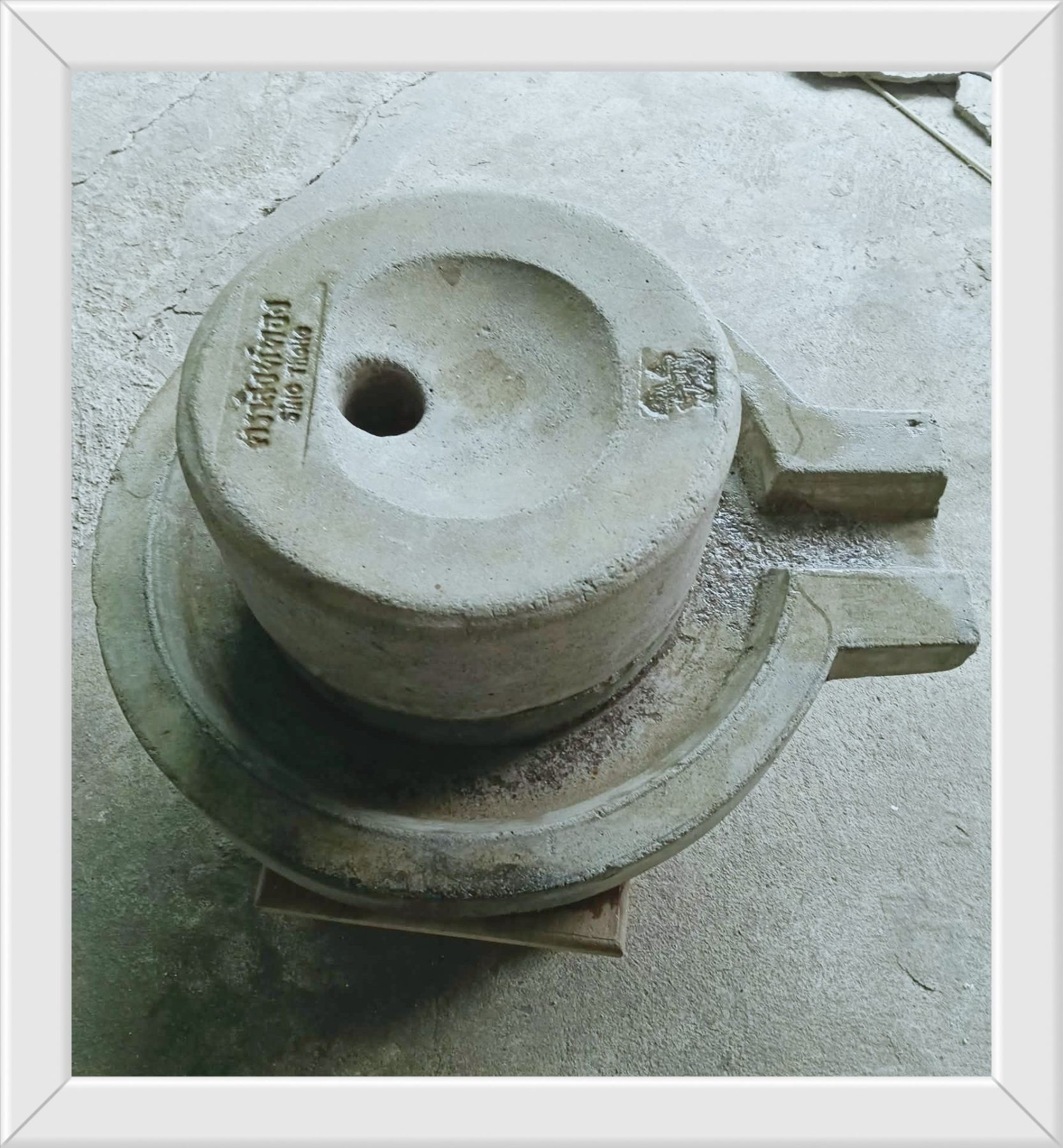
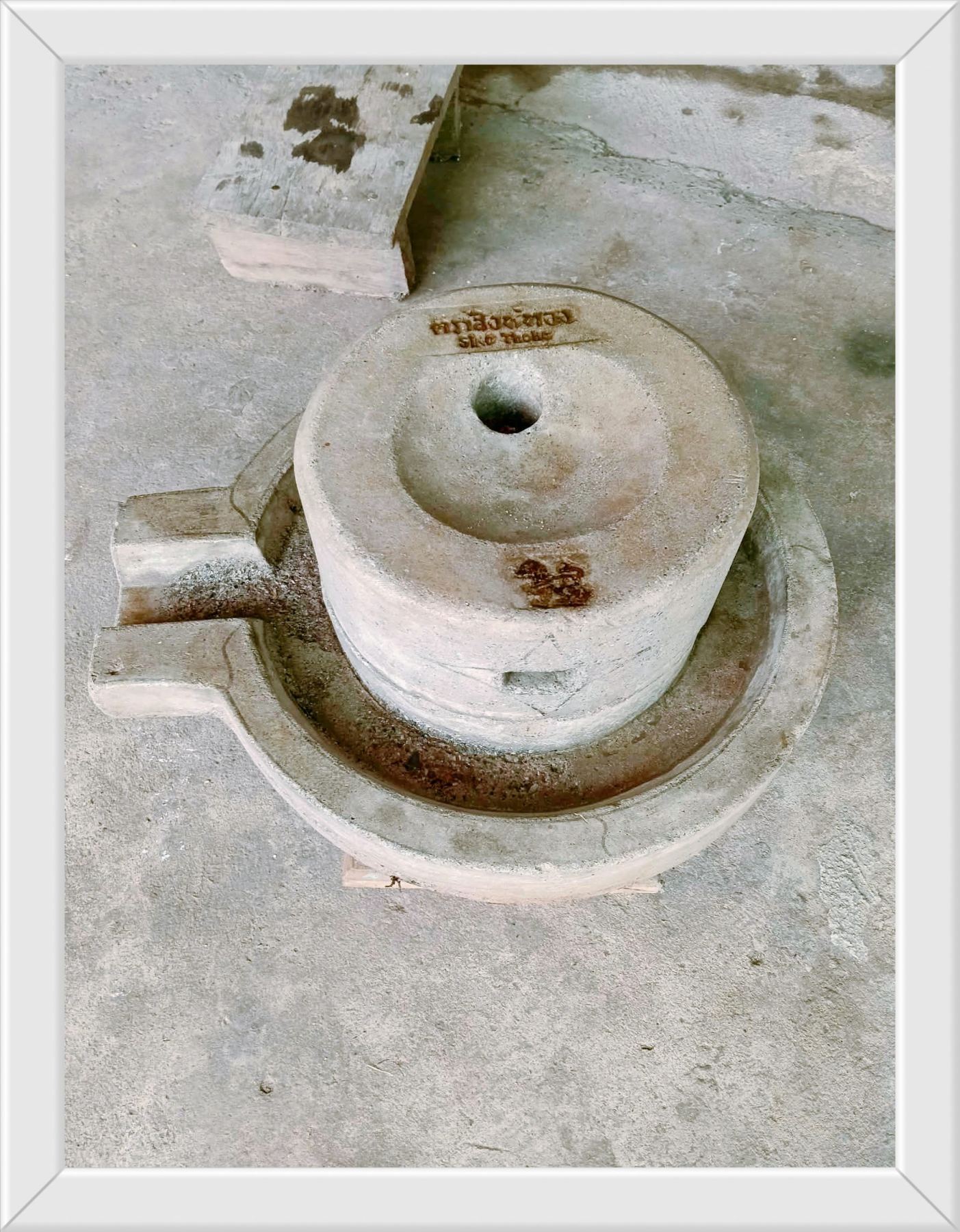
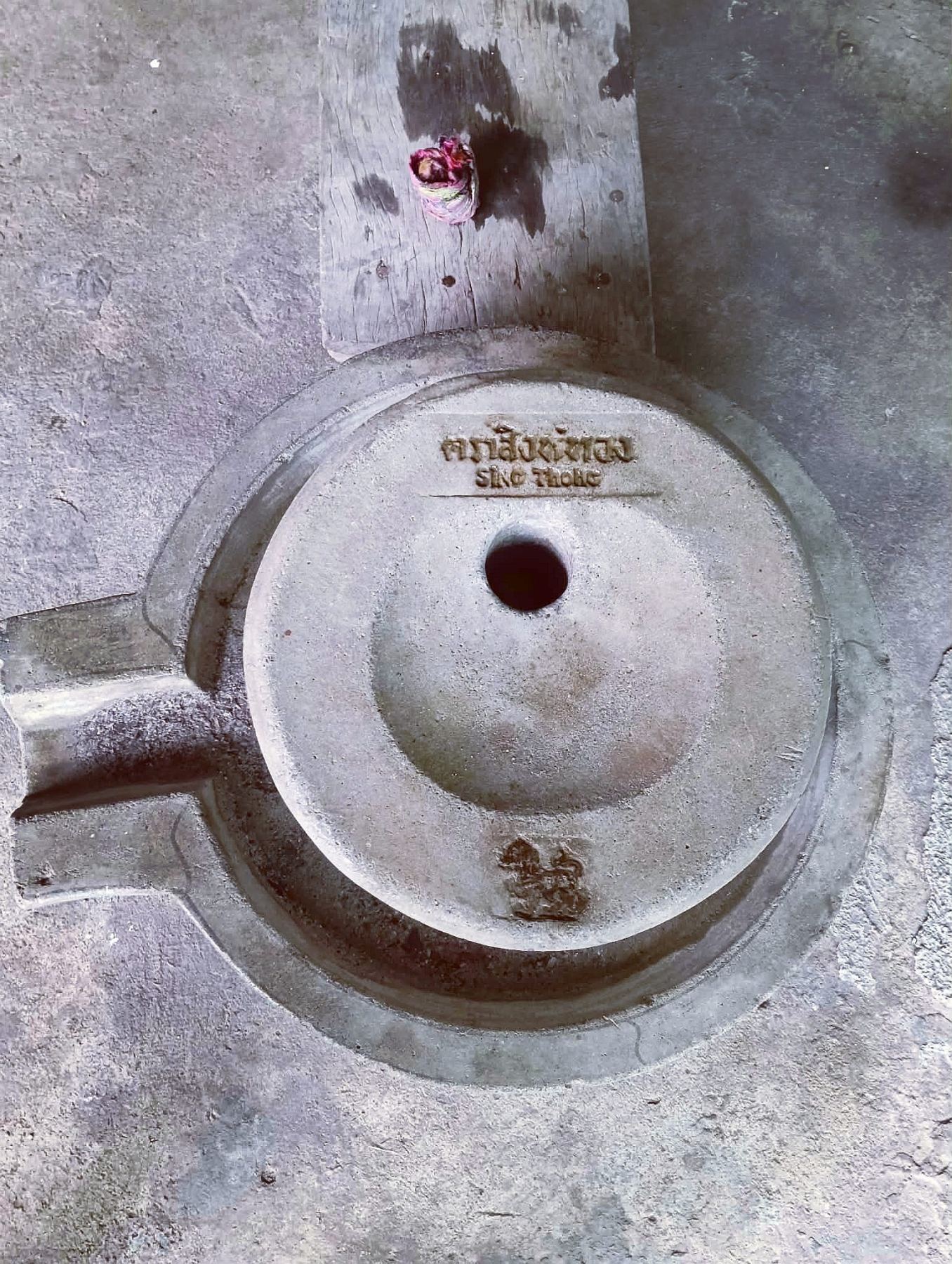
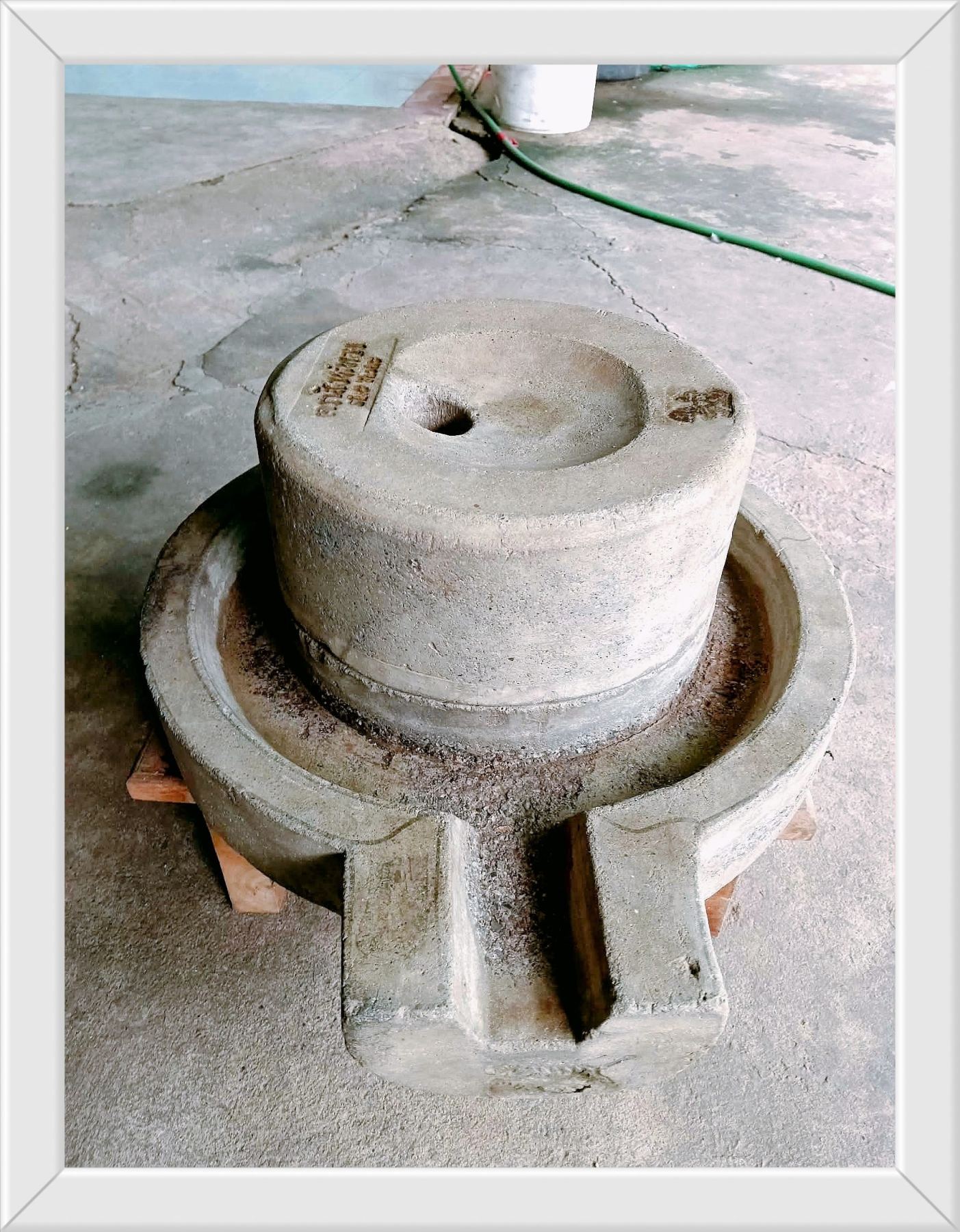
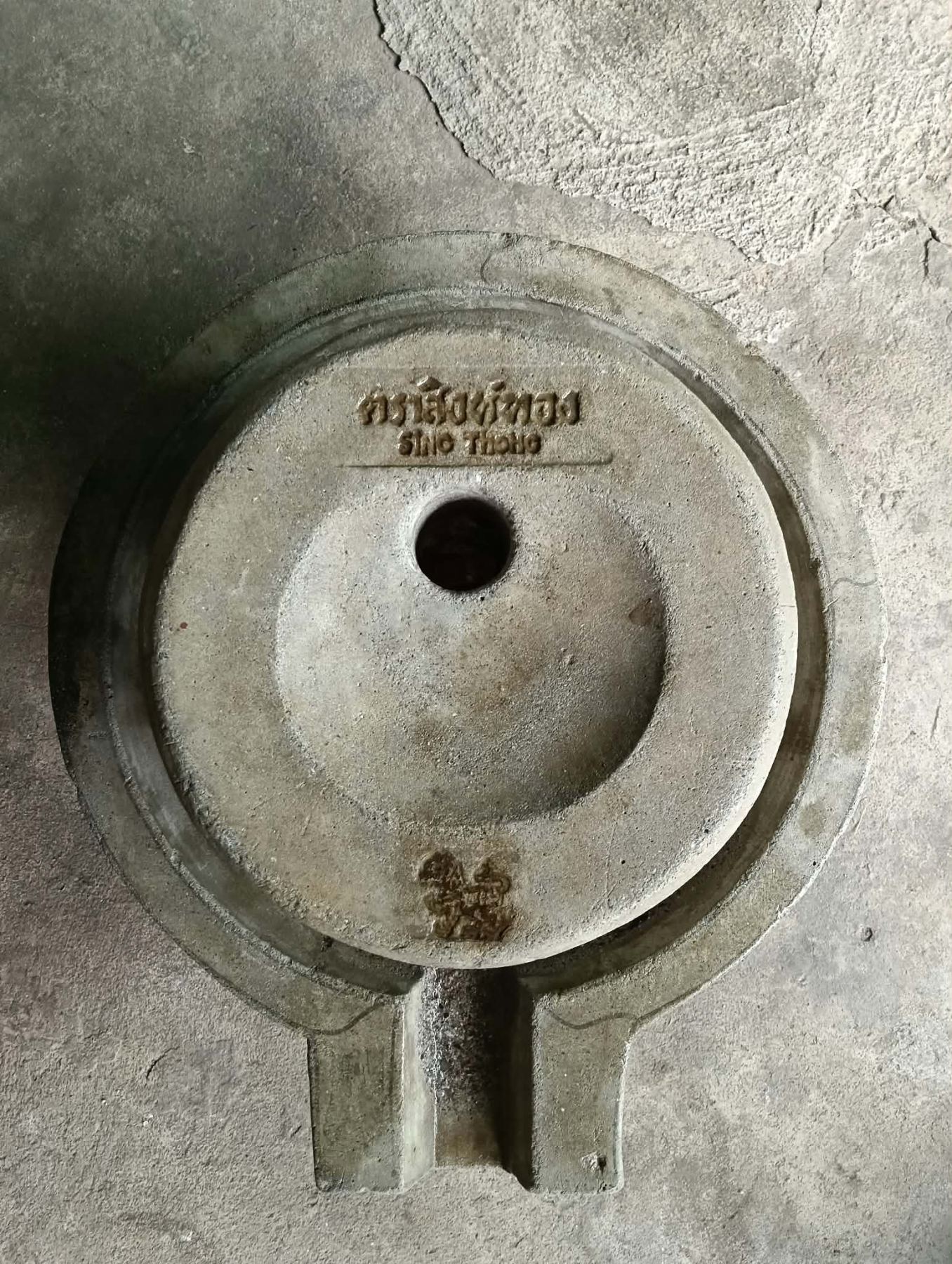
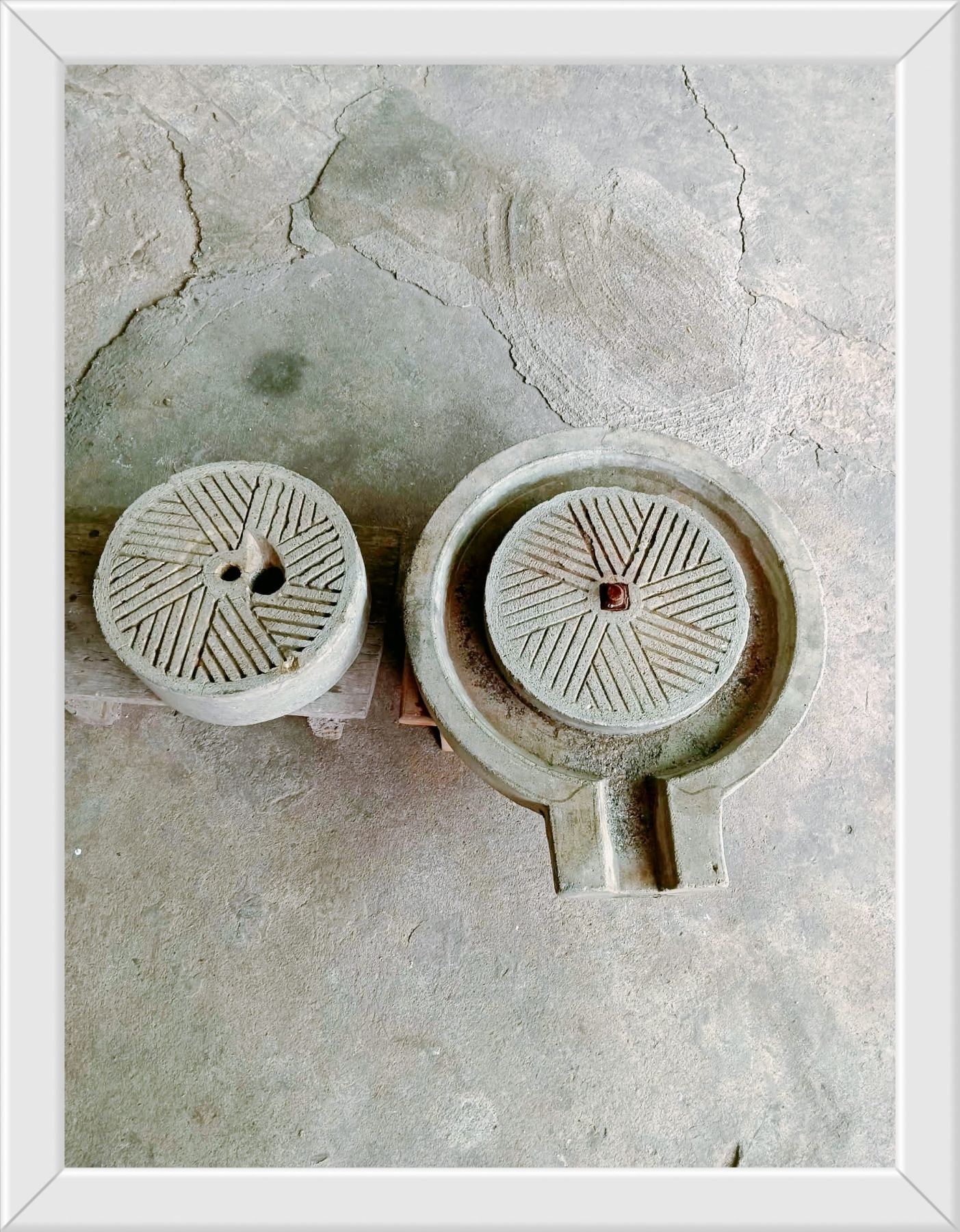
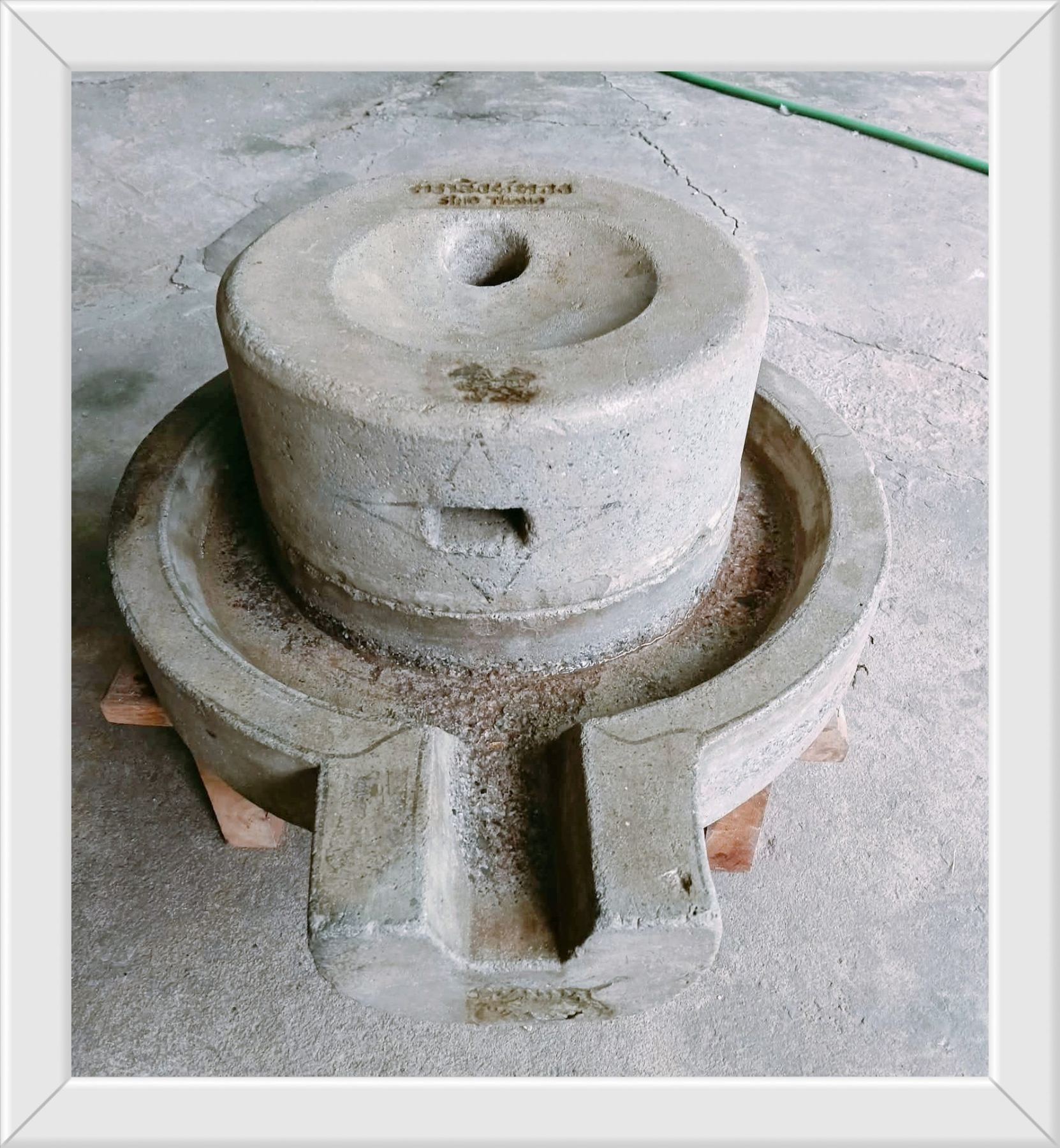
Stone mill, or flour mill, is a device we use for grinding rice into flour slurry. It is a type of grinder made of stone shaped similarly to a rice mortar. The base diameter of the mortar is approximately 1.5 feet, with large sizes being about 4.5 feet. It consists of 2 parts:
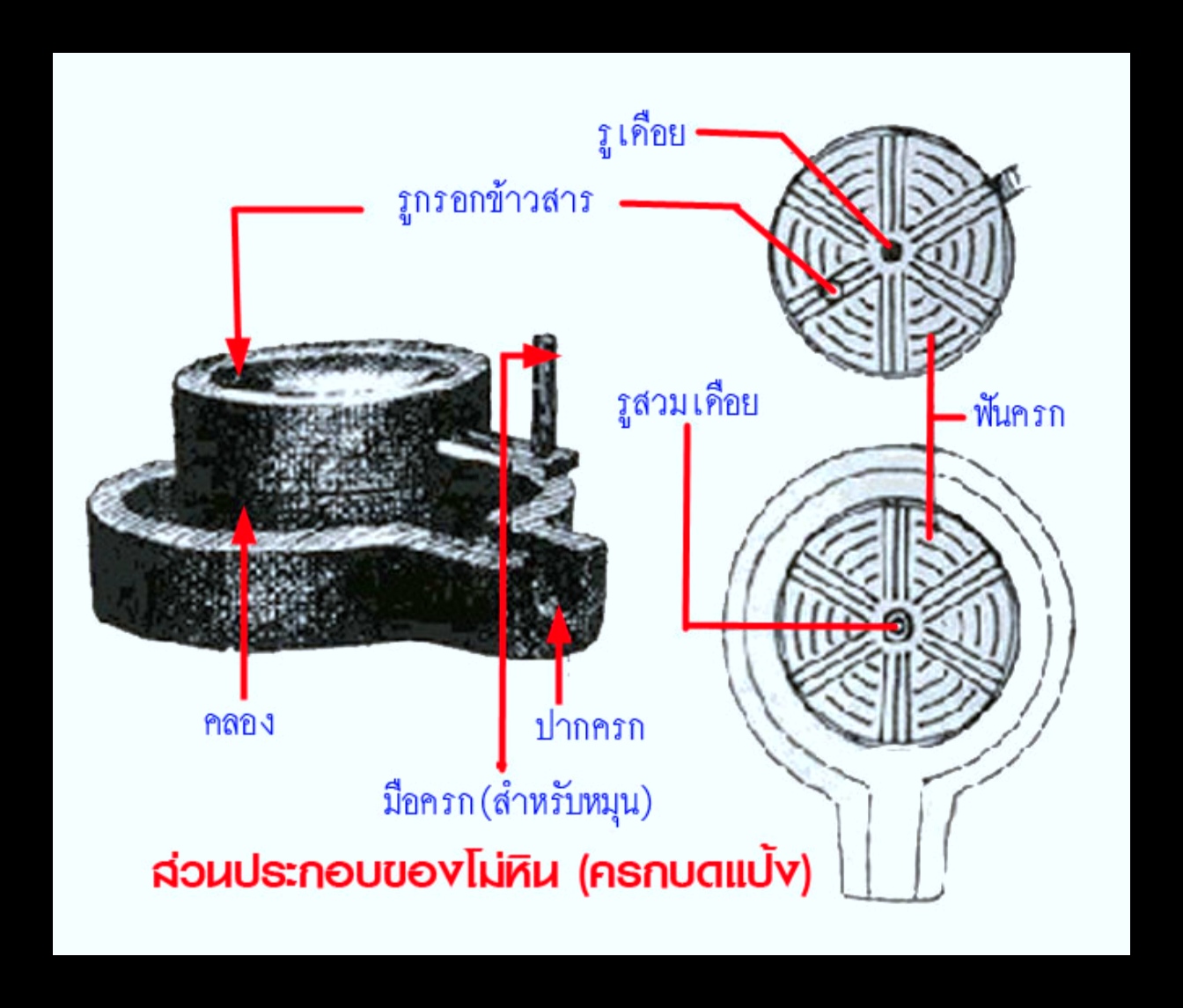
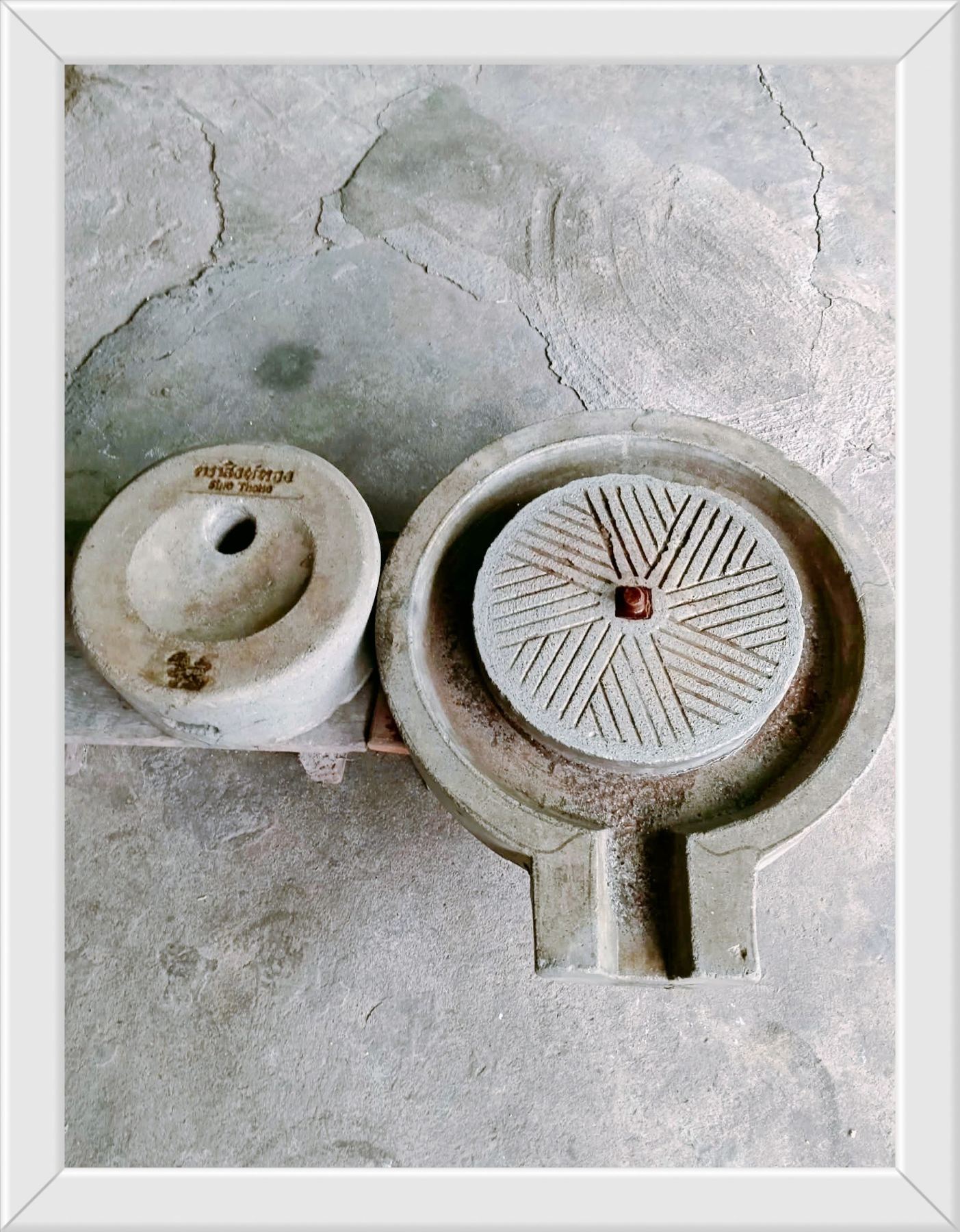
1. The mortar body, or mortar unit, has a round shape with a flat base. One side is made into a spout for flour to flow down into a container. The outermost rim of the mortar is approximately 7 cm thick. About 3 cm inward from the outer rim, a groove or channel is carved deeper around, connecting at the same level as the mortar spout. This groove is approximately 5-9 cm wide. The middle section of the mortar body is raised higher than the rim by about the same amount. The cross-section is made into teeth, that is, grooves carved approximately 4 millimeters wide and deep. These teeth run along the radius and some along the transverse direction. At the center of the cross-section, a round hole approximately 2 cm in diameter is made for inserting a wooden peg or dowel to receive and hold the mortar lid in place.
2. The mortar lid is made to have the same diameter as the cross-section of the middle part of the mortar, approximately 8-12 cm high, depending on the mortar size. At the center of the bottom of the lid, a hole is made to fit onto the peg. And at the lower cross-section, teeth are carved similarly to the mortar body. The top of the lid is made into a chamber for receiving rice to be ground. At this depression, a hole is drilled through to the bottom of the lid, so that rice grains fall down to be ground into flour. On the side of a small mortar lid, one square hole is drilled for inserting a wooden handle called "mortar hand." This type of mortar is called "one-hand mortar." But if the mortar is large, two holes are drilled for inserting mortar hands, called "two-hand mortar." The latter type uses a lever similar to a rice mortar when grinding.
🌾 Grinding flour using a stone mill, or grinding mortar, requires placing the grinding mortar on a surface at least 1 cubit higher than normal floor level. This is so that a container can be placed to receive flour from the mortar spout. The rice to be ground must be soaked in water long enough. When grinding, if it is a one-hand mortar, one or two people may grind. If one person grinds, that person must both turn the mortar (grind) and feed rice grains. If two people grind, one turns the mortar while the other feeds rice grains. There is a technique to be careful about: if too much rice is fed and there is too little water mixed in, the ground flour will be thick and viscous. Sometimes rice grains come out whole. This condition is called "the grinding mortar is choking" - water must be added to help. If too little rice is fed and too much water is added, the flour will be liquid. The mortar teeth will rub against each other too much, possibly causing cement or clay from the mortar teeth to come off and mix into the flour.
🍀 When grinding is finished, the grinding mortar must be washed clean so that flour sticking to various parts of the mortar, especially at the mortar teeth and in the mortar peg, does not spoil and rot. Normally, besides washing and cleaning, the mortar peg is also removed. The grinding mortar, besides being used for grinding flour, is also good for pressing flour. And since making various desserts is usually done with ground flour, which may be liquid flour or flour pressed into lumps, the grinding mortar is used for all of these. Therefore, the grinding mortar is a widely known utensil.
But nowadays it is rarely seen, found only in rural households or in homes that still make certain Thai desserts, because nowadays there are many types of ready-made flour available. No one has to sit hunched over and toil anymore.
🌾 At the writer's home there is 1, so I took a photo to show everyone.
Share this story
9 more photos below