
Traditions
"Hup Taem at Nong Chim" EP. 1
Traditions
"Hup Taem at Nong Chim" EP. 1
EP. 1 Hup Taem at Nong Chim
"Nong Chim Community"
"Conserve, Restore, Preserve, Inherit"
"Hup Taem"
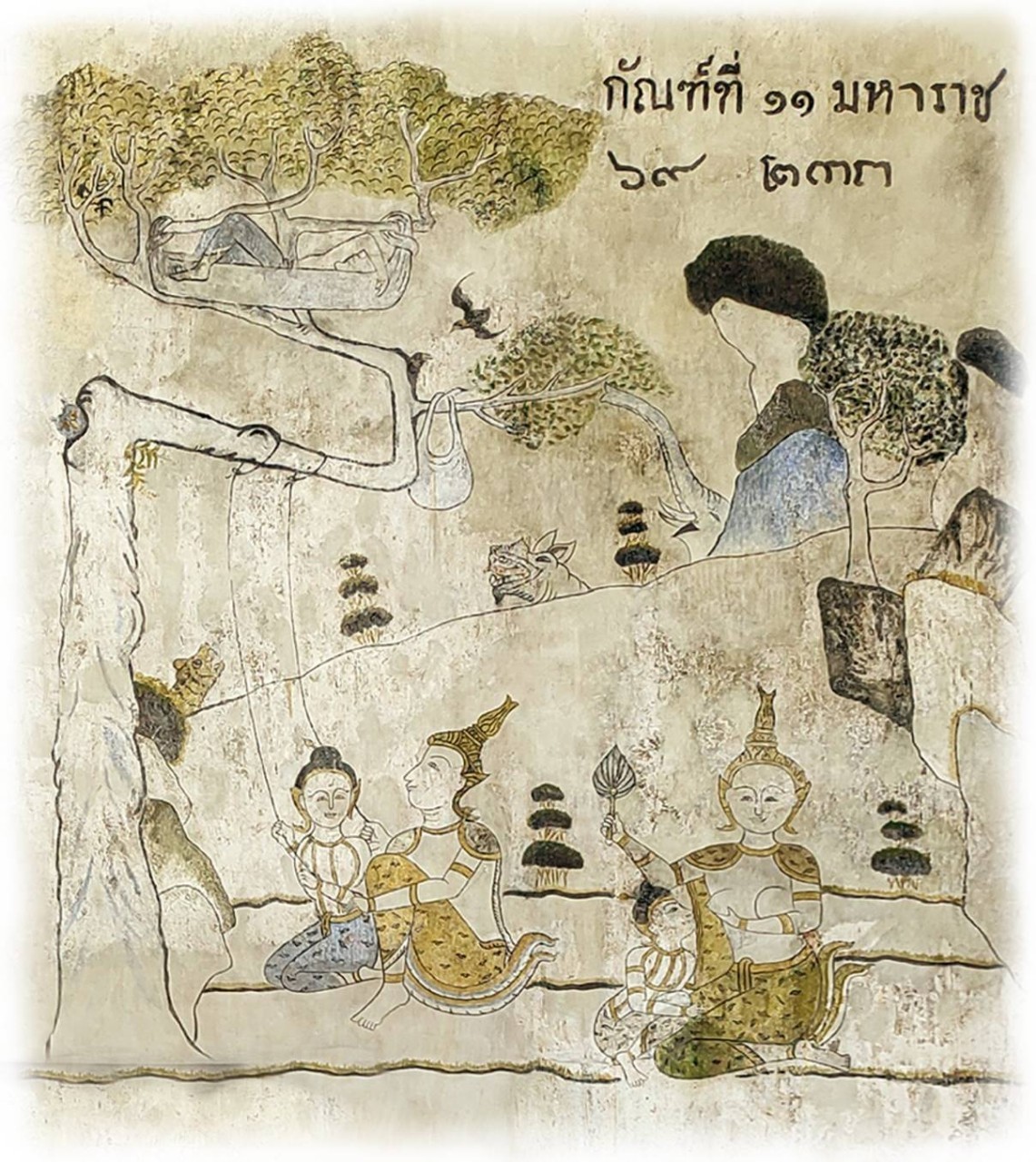
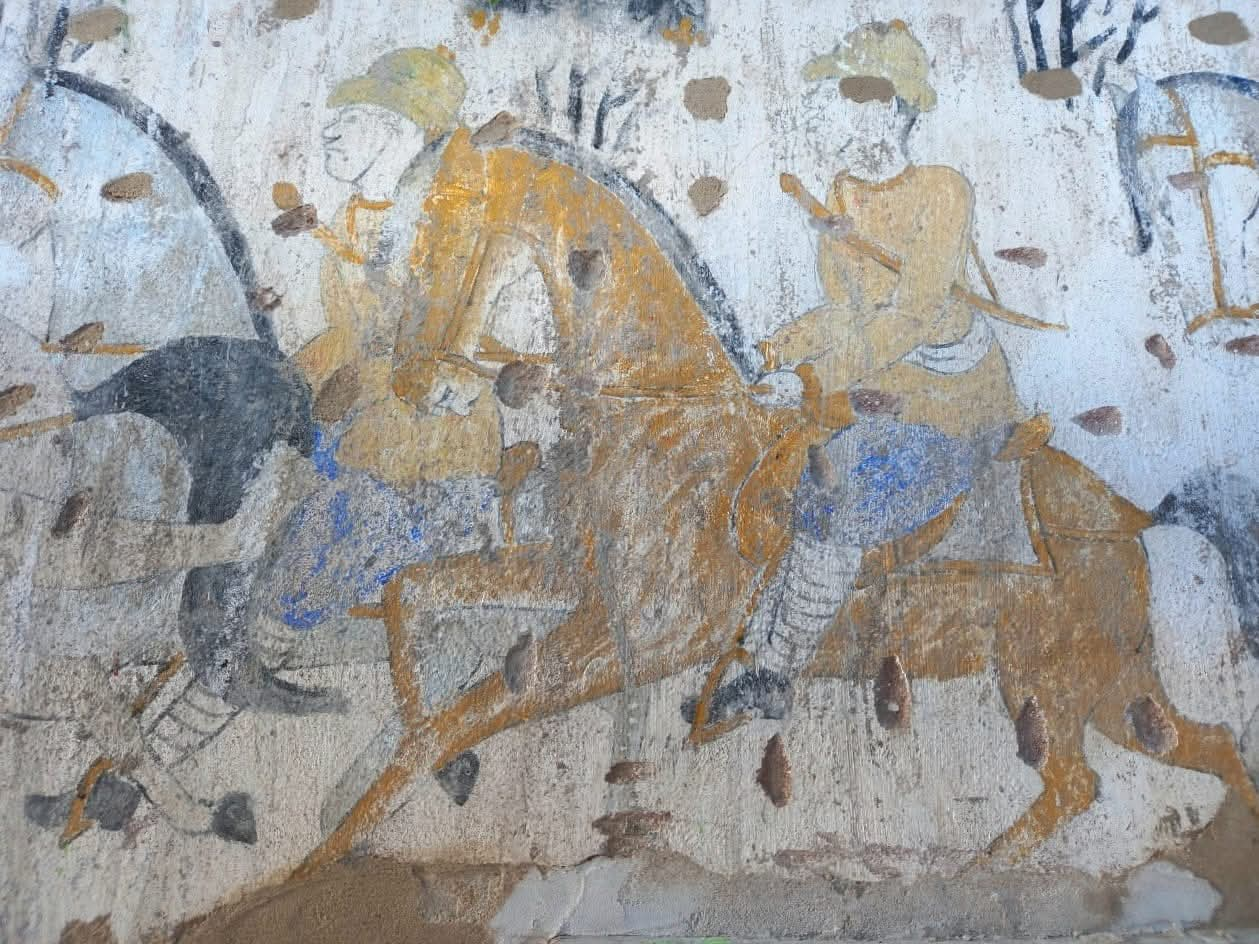
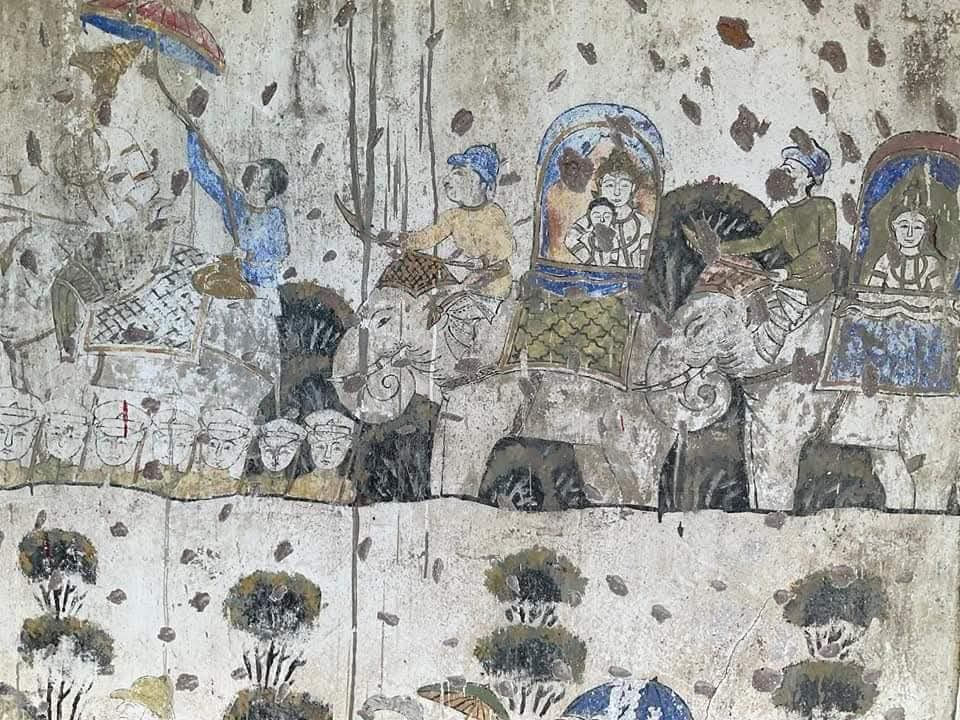
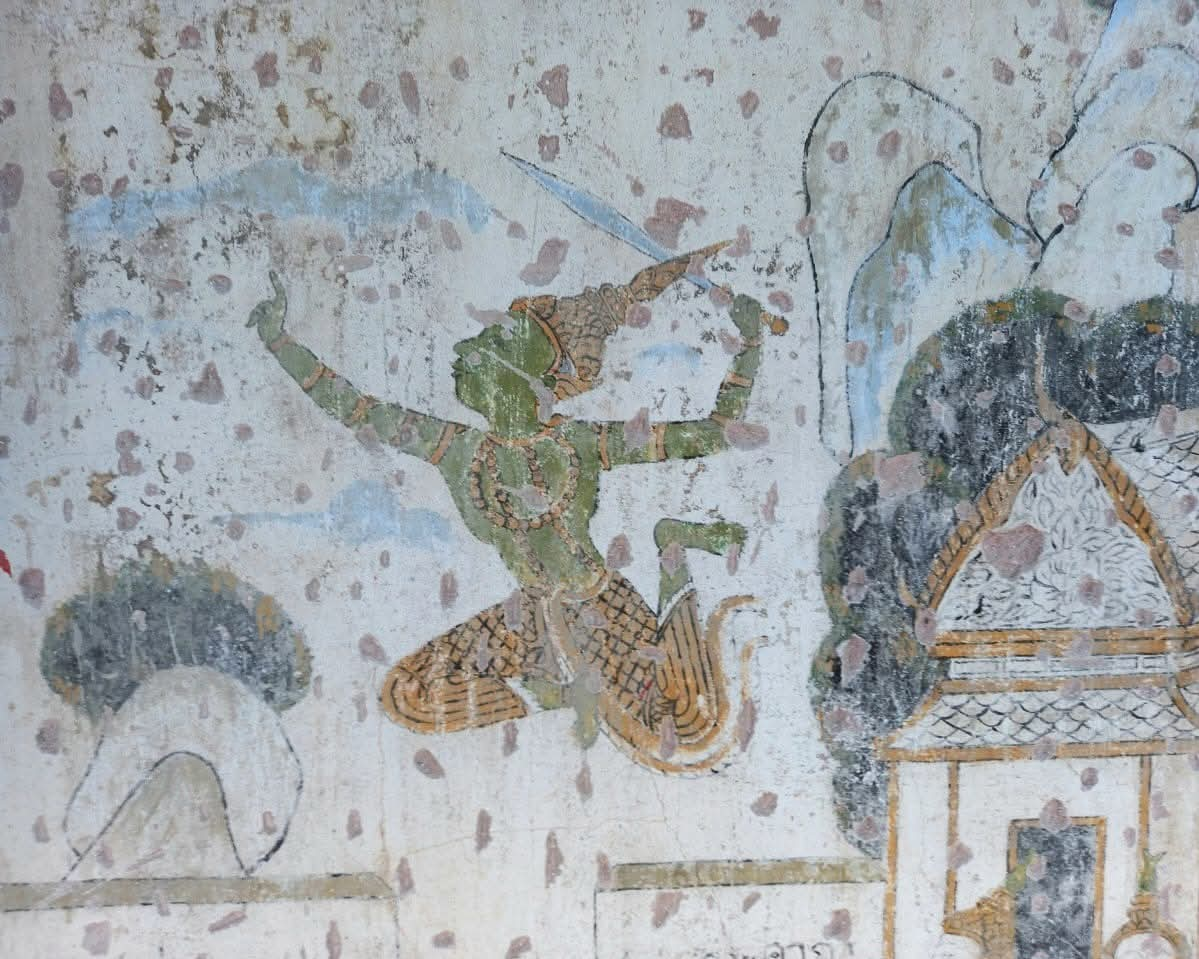
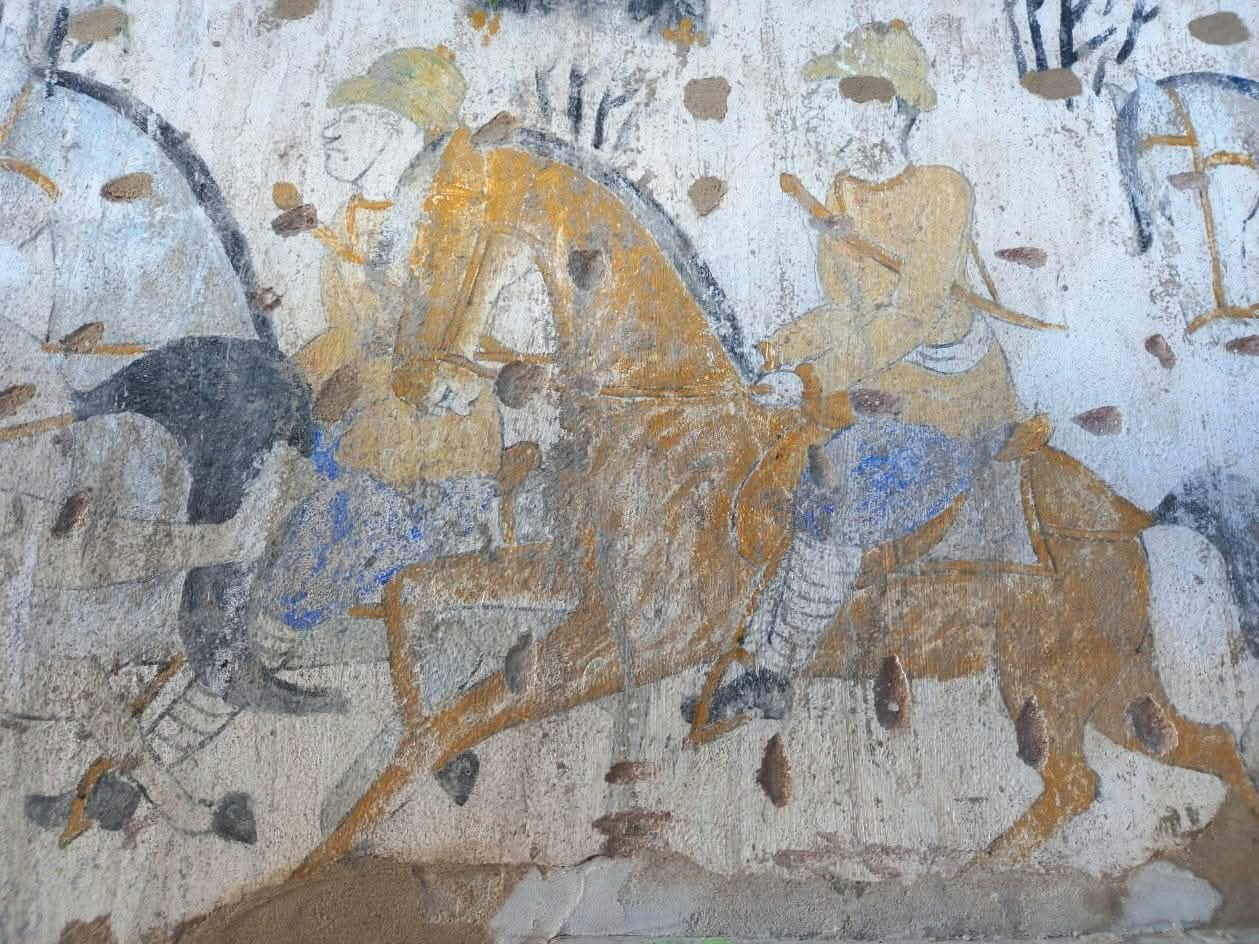
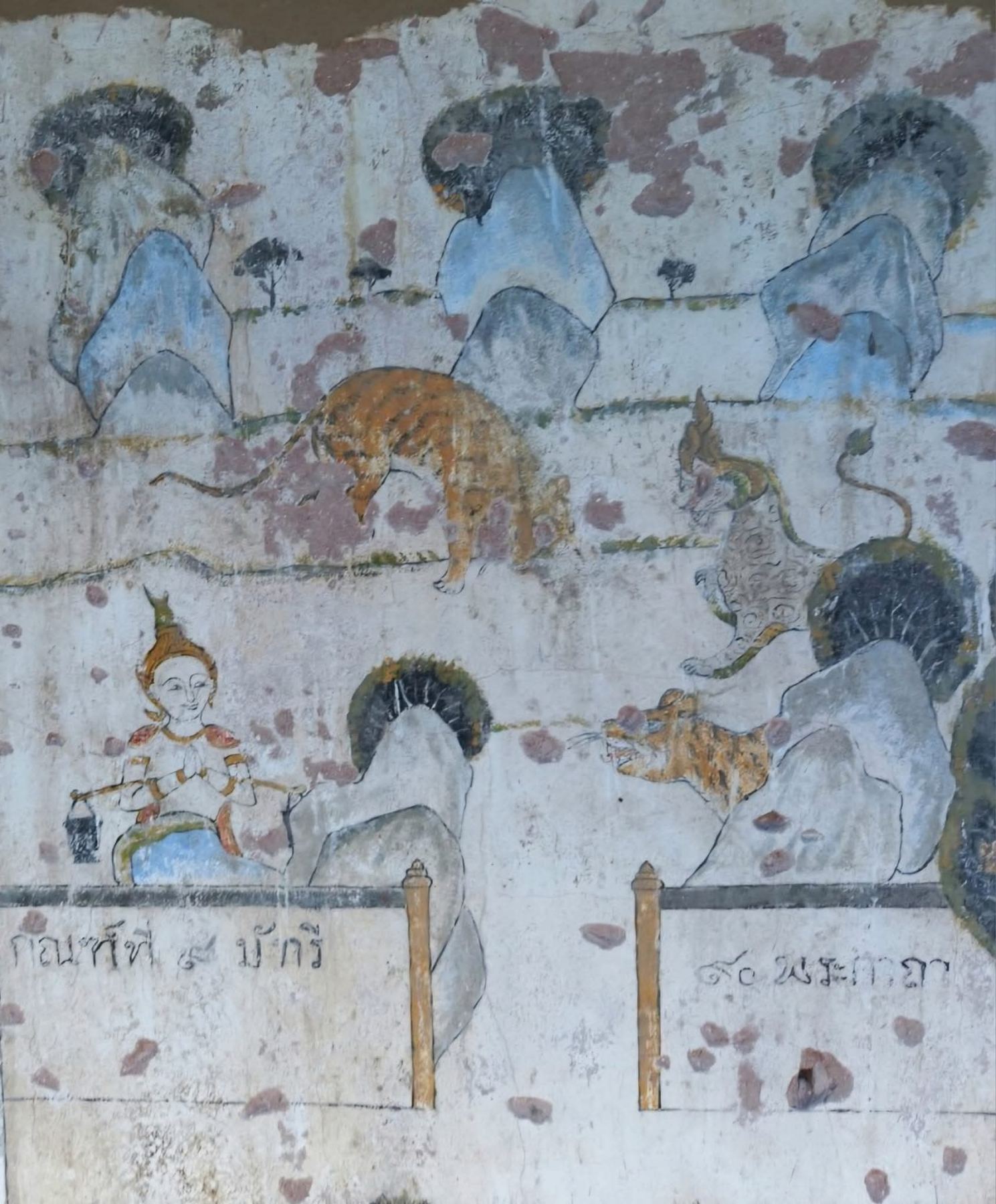
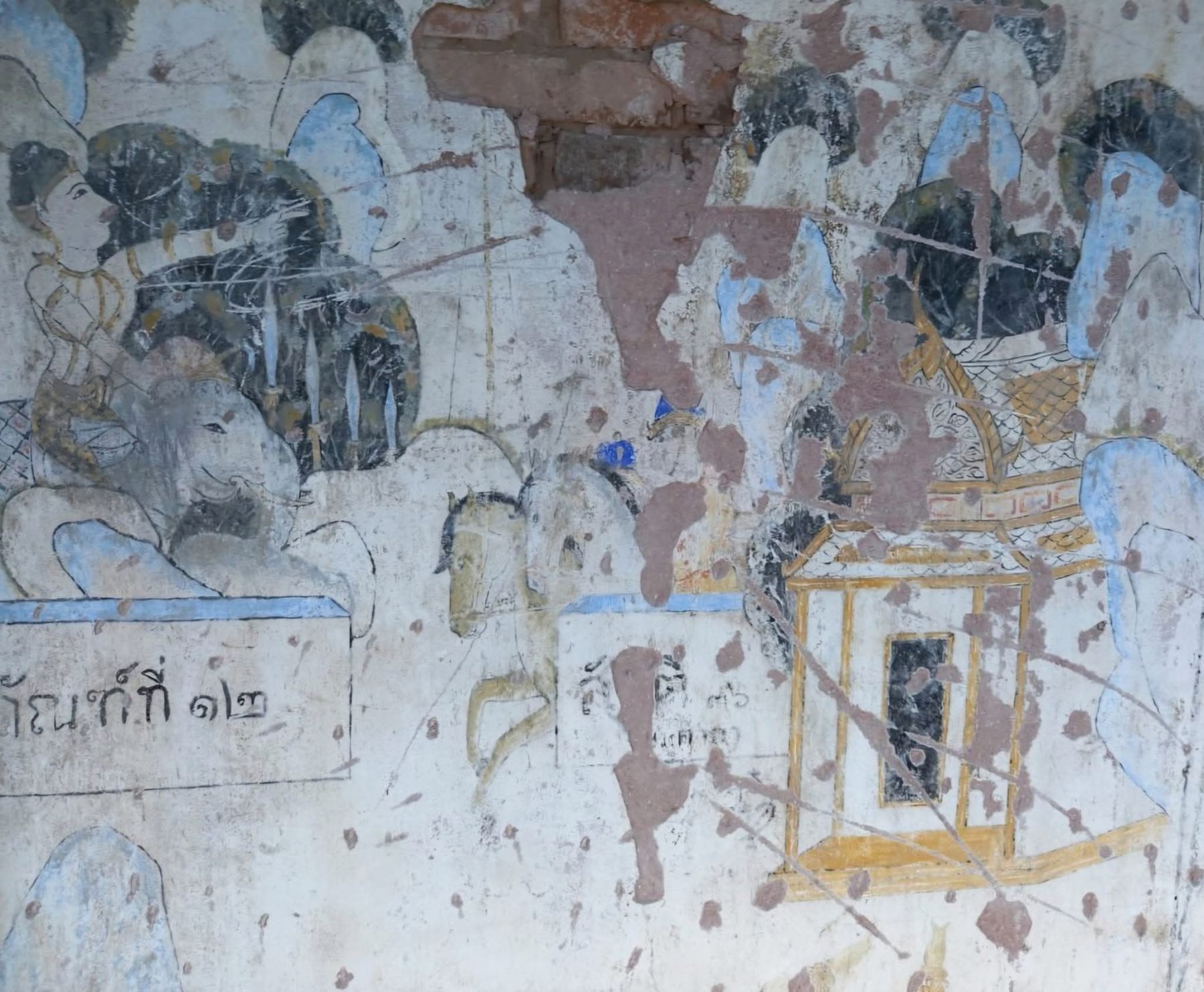
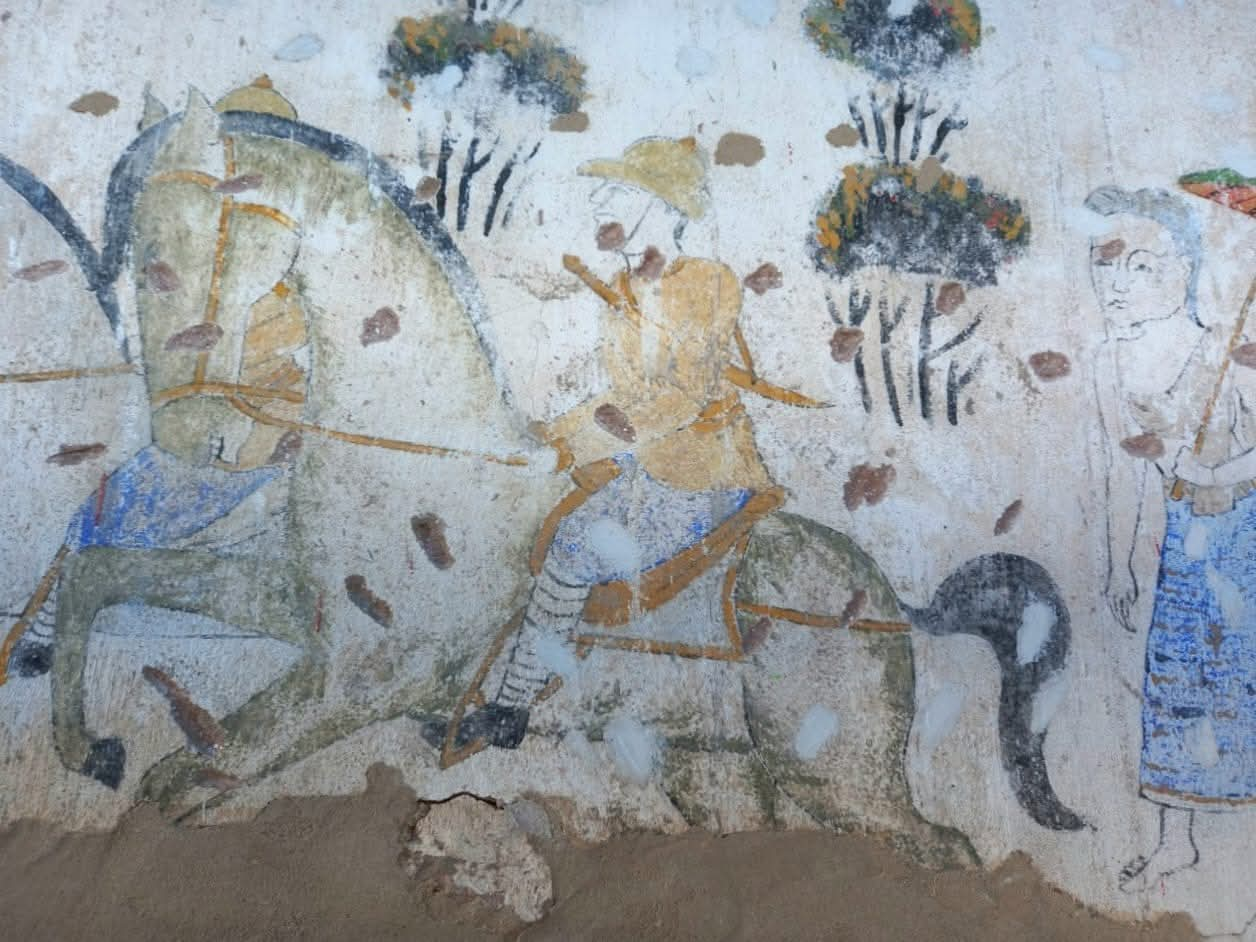
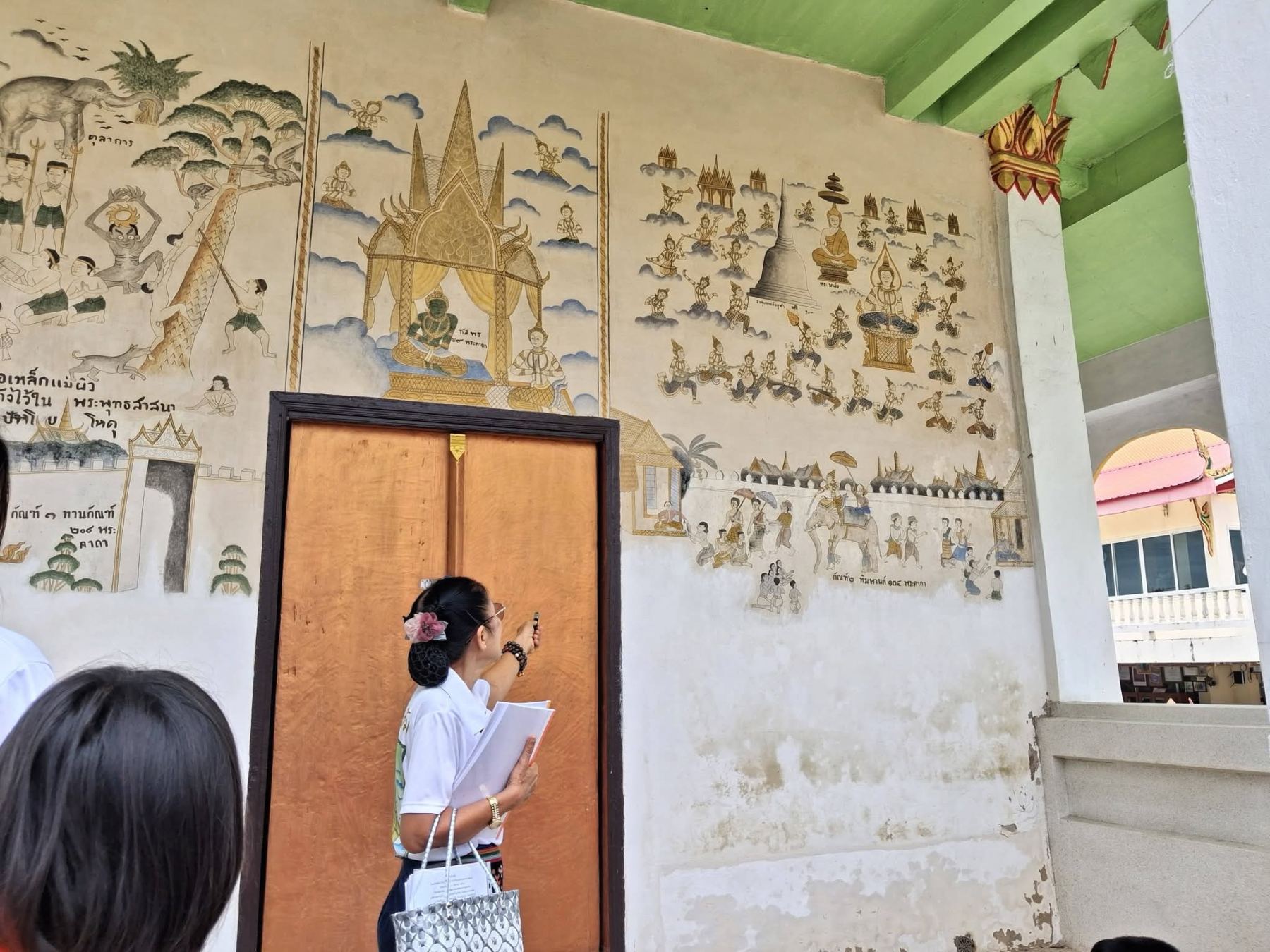
💚 Hup Taem... mural paintings adorning the ubosot, religious buildings that serve as the community's centre, are a product of the community with value in many aspects — such as Buddhism, history, society, customs, and community way of life.
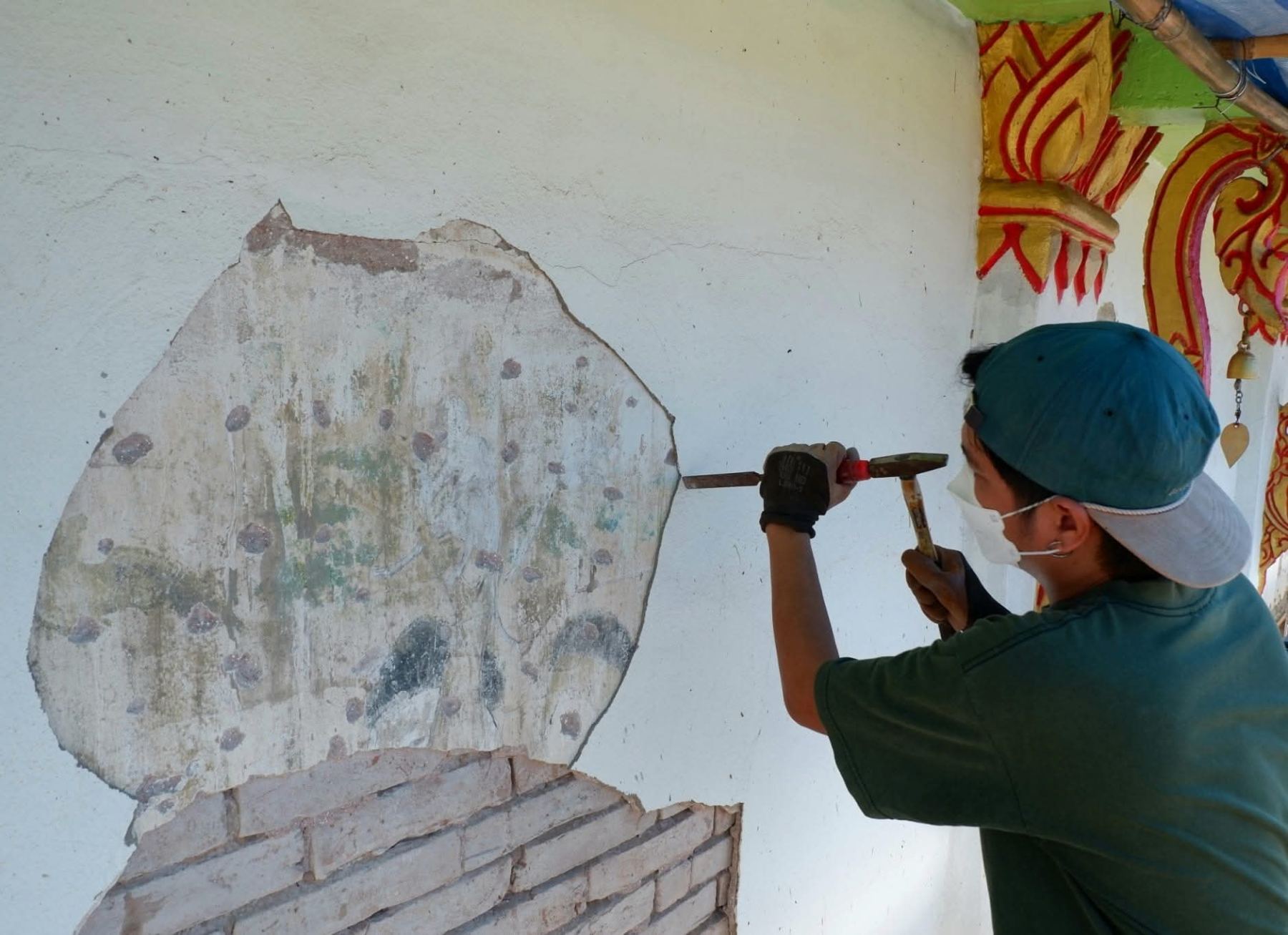
Preserving them from deterioration, or repairing them without altering form and technique from the original, constitutes "maintaining value" in these various aspects, keeping them as heritage for the community and our nation.
Knowledge and understanding of approaches to preserving artistic form in its original condition requires cooperation from all sectors, who must build and foster understanding and recognise the value and importance of the roots that ancestors created for the community.
Because the "value" of wanting ancient monuments to look bright and fresh, to satisfy the desires of certain groups, may weigh more heavily than the words... "cultural heritage".
Artistic works are another heritage that will be gradually destroyed, following values that prioritise newness and freshness until the roots of oneself and one's community are forgotten.
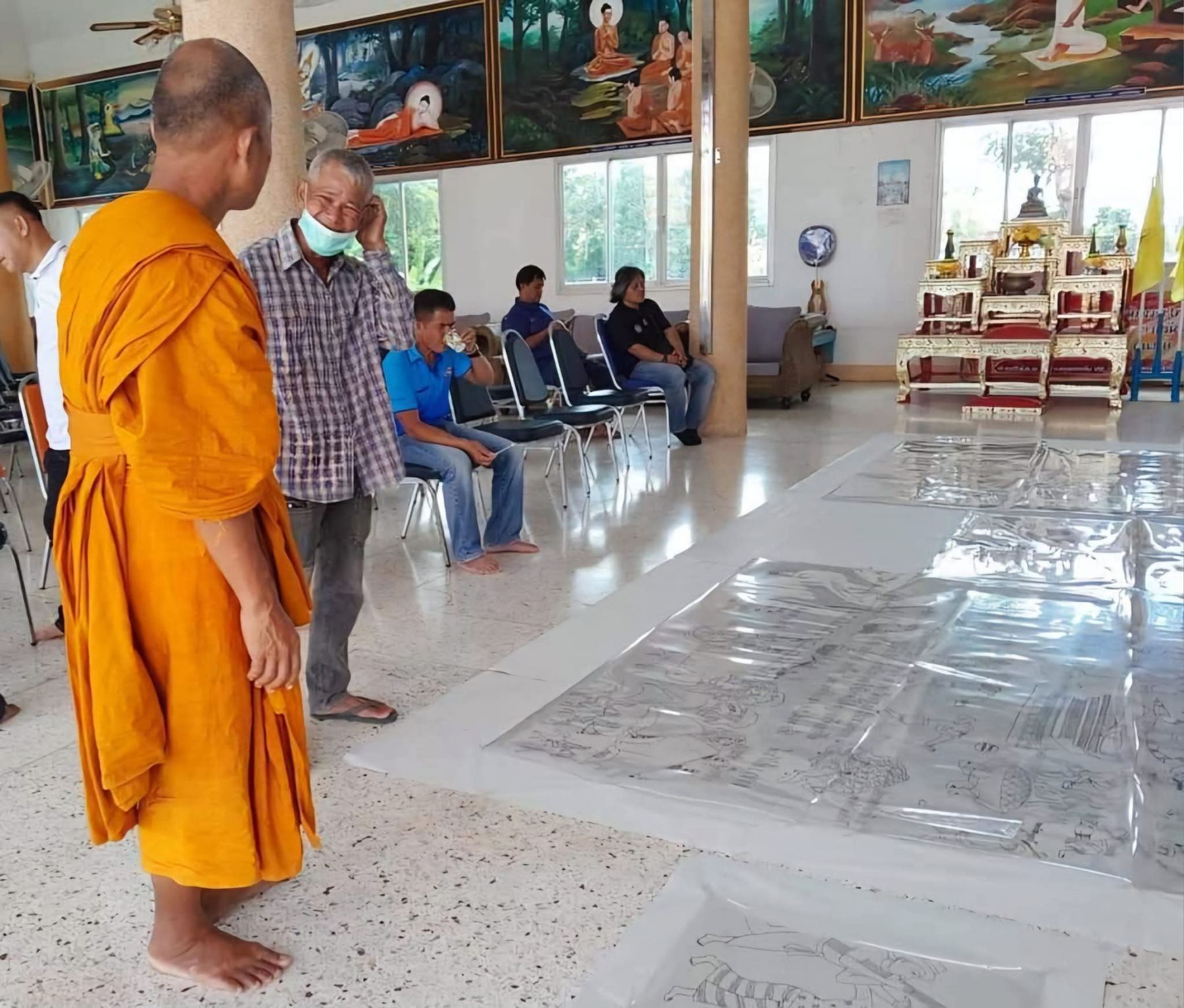
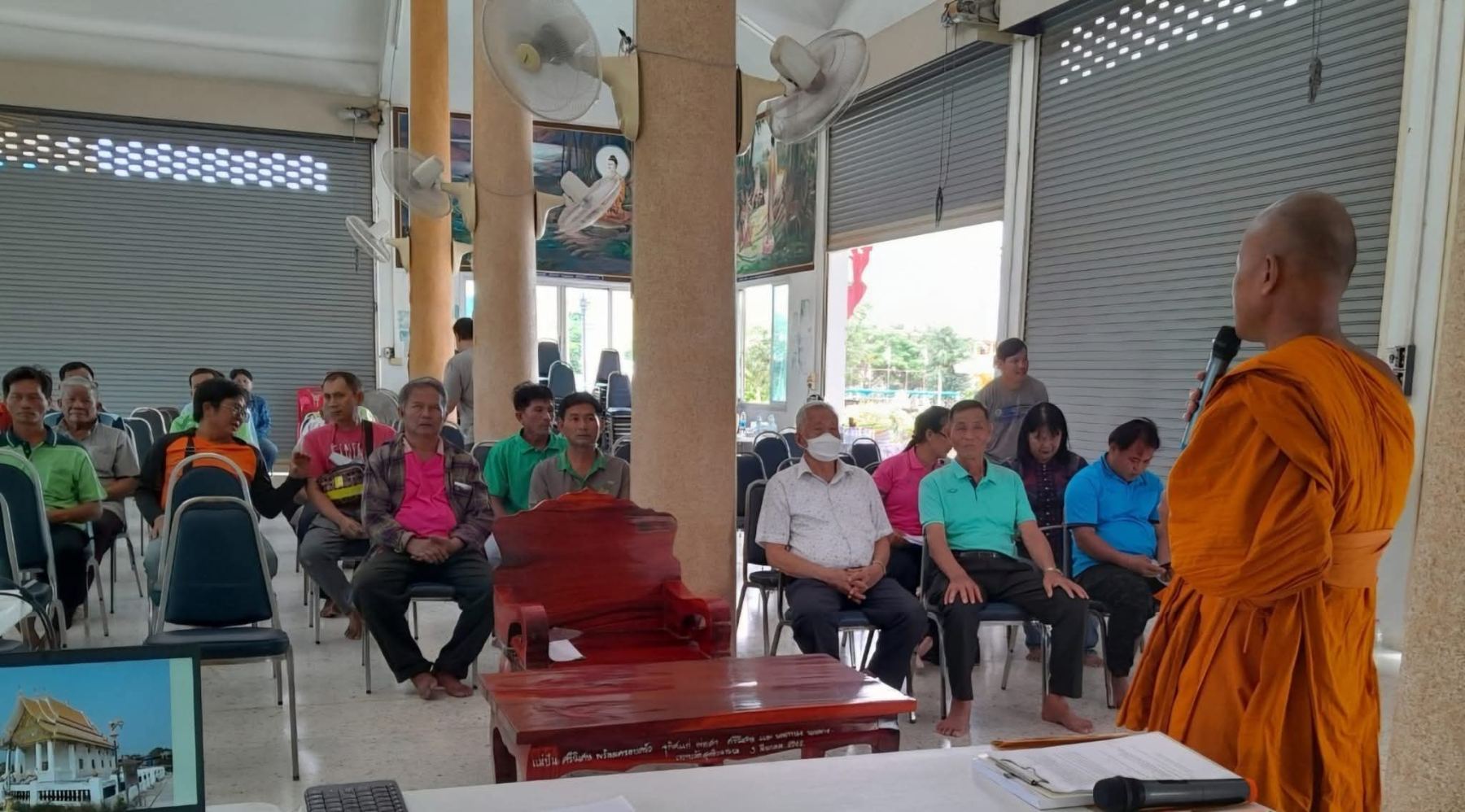
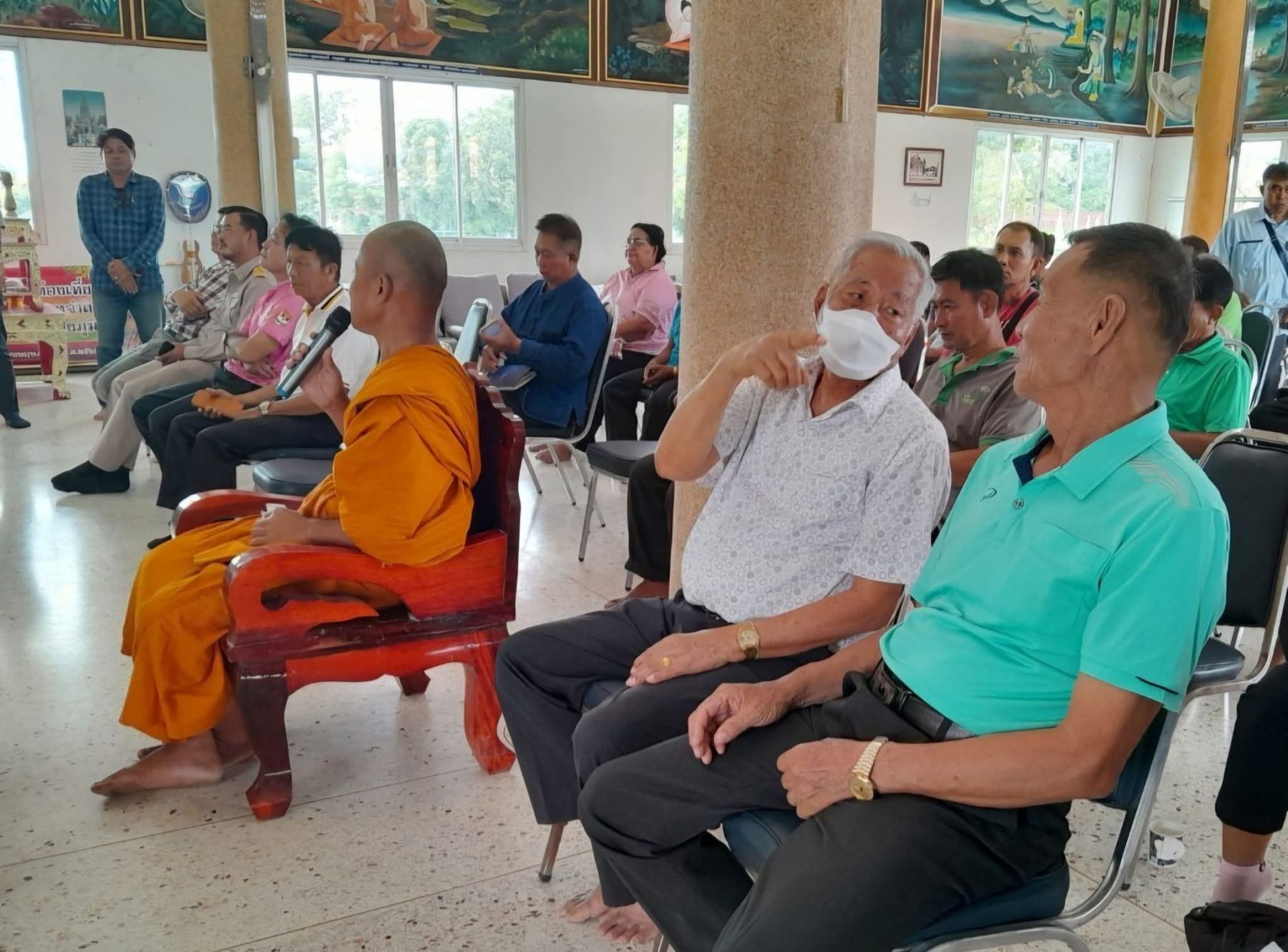
🙏 With respect and admiration for the people of Nong Chim community, Nong Chim subdistrict, Noen Sa-nga district, Chaiyaphum province, led by
"Phra Khru Sutthiworanuwat"
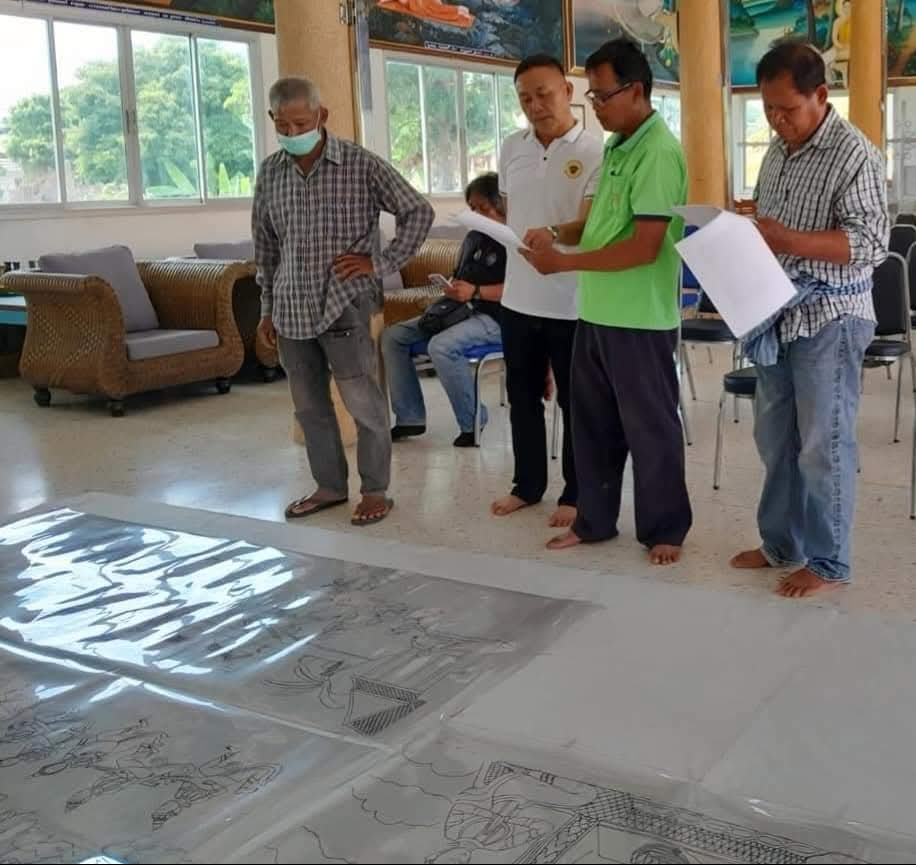
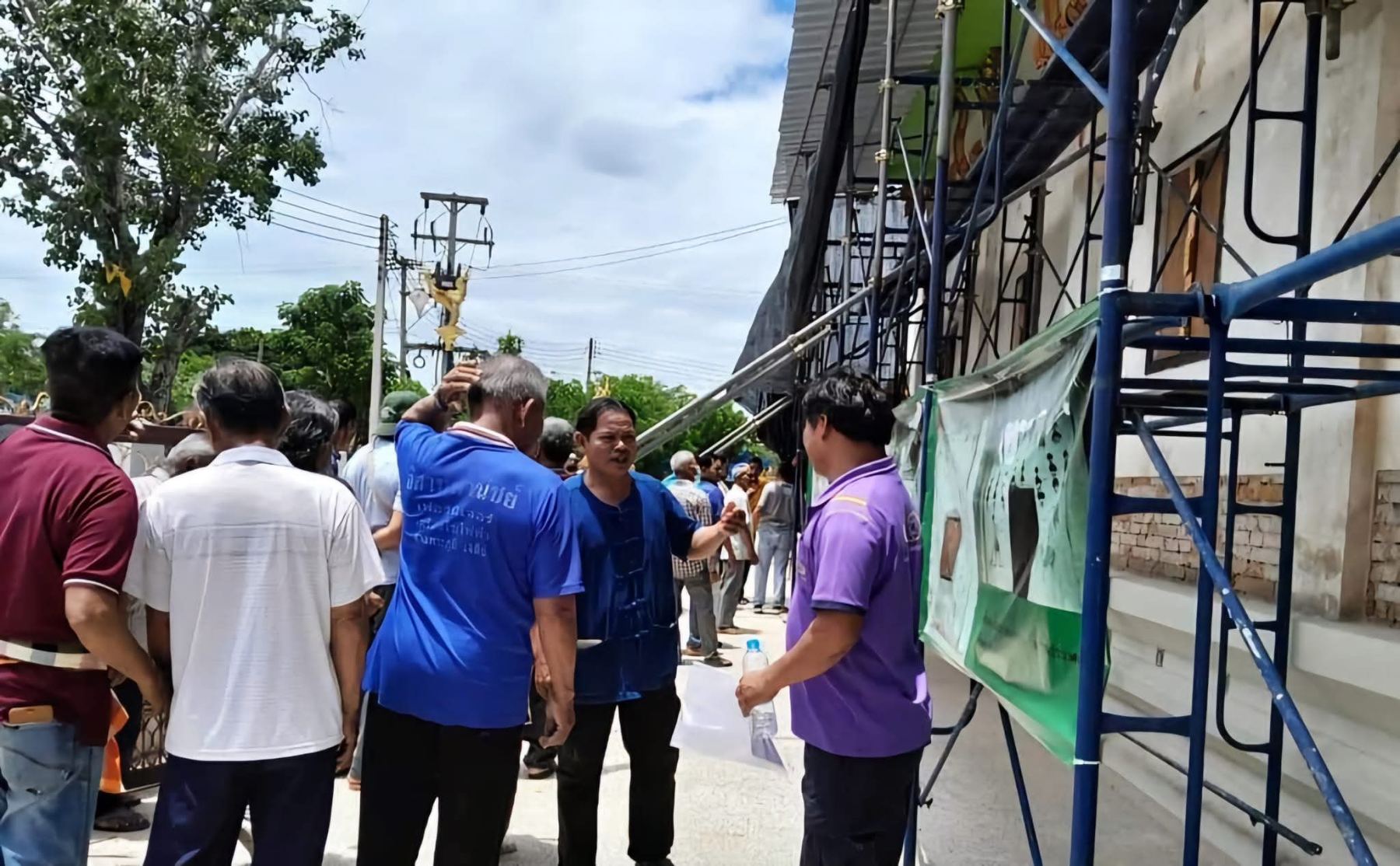
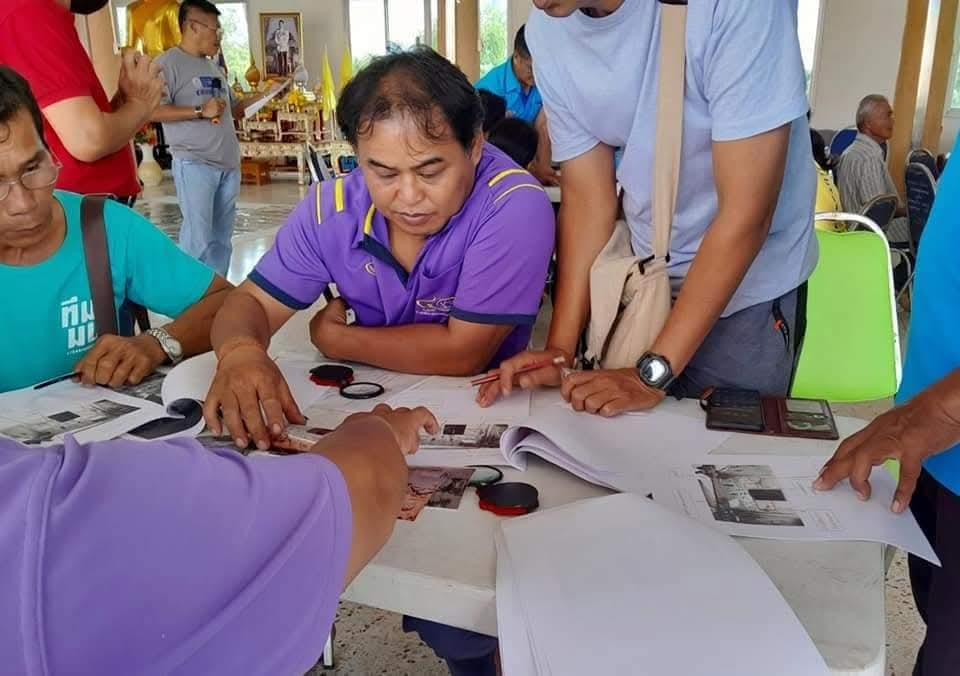
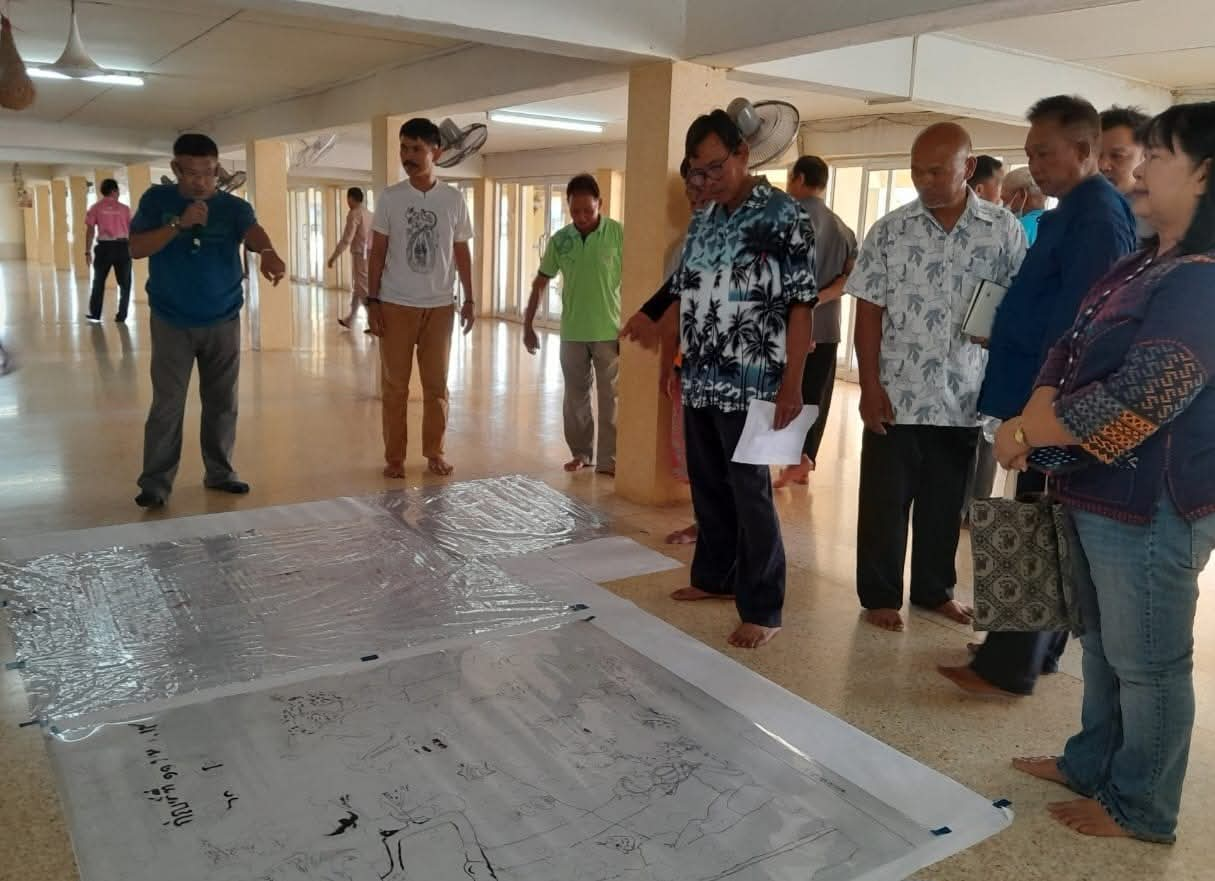
The abbot and leader, together with all community members who have participated in conserving, restoring, preserving, and inheriting this valuable artistic and cultural heritage, so that it remains strong and enduring as artistic and cultural heritage of the community and nation for generations to come.
💚 Isan Hup Taem: Isan Mural Paintings
What is Hup Taem...
Hup Taem is a local term in the Lao-Isan dialect. "Hup" means picture or form, and "Taem" means to draw, sketch, or paint to create a form; together they mean painting or drawing. Later, scholars adopted it with the same meaning as painting in central Thai culture. The artisans who create these works are called in local Isan language "Chang Taem" or "Chang Khian Hup" — compared to the central Thai term, this is "Chitrakorn" (artist/painter).
💚 Where Isan Hup Taem Can Be Found
In terms of development, Hup Taem evolved from drawing on pha phwet cloth, then developed onto the walls of religious buildings, following technological development in materials such as brick and mortar construction — technology imported from the Chinese who popularised earthen buildings. Local Isan artisans adopted these techniques for religious structures.
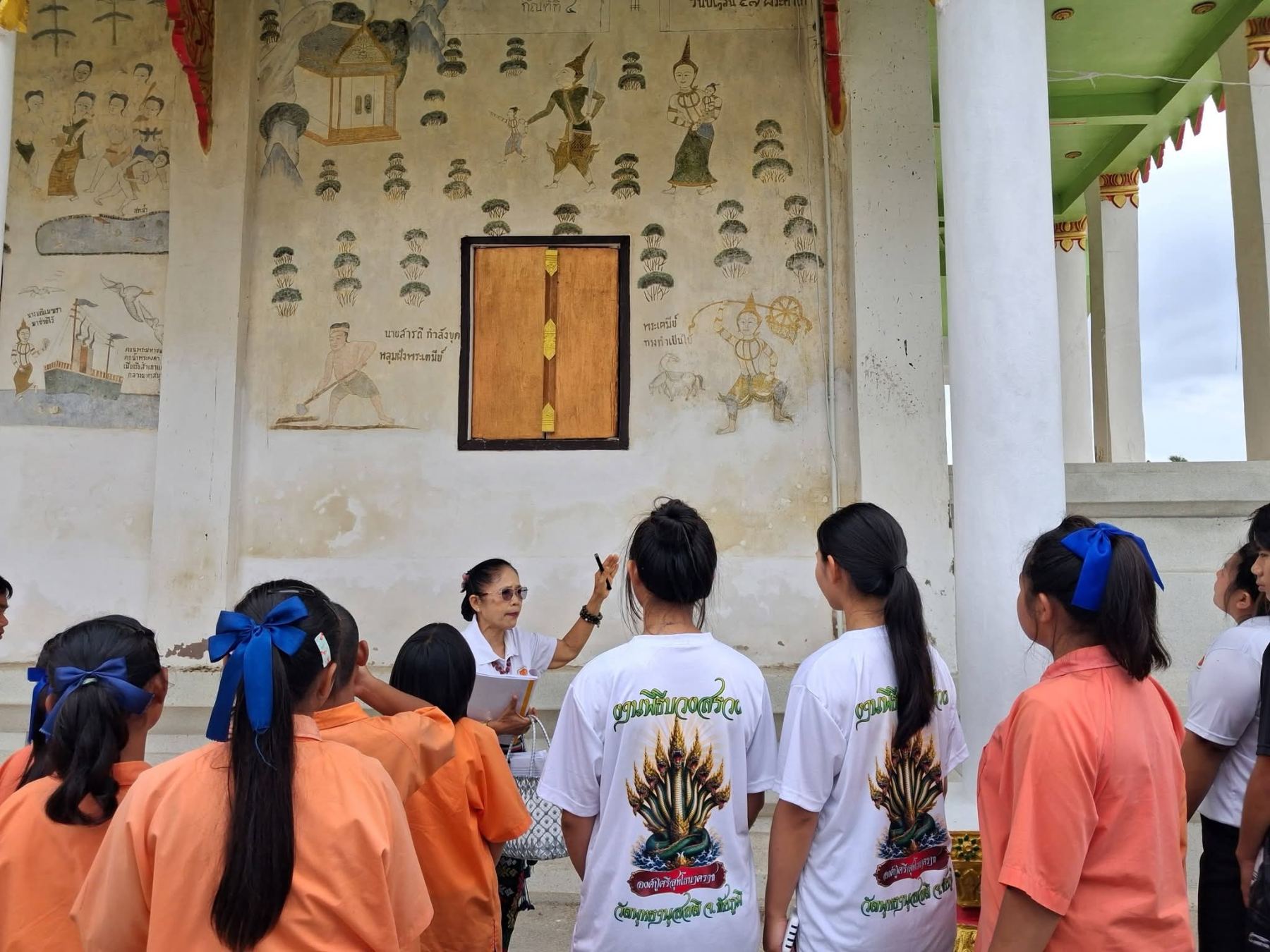
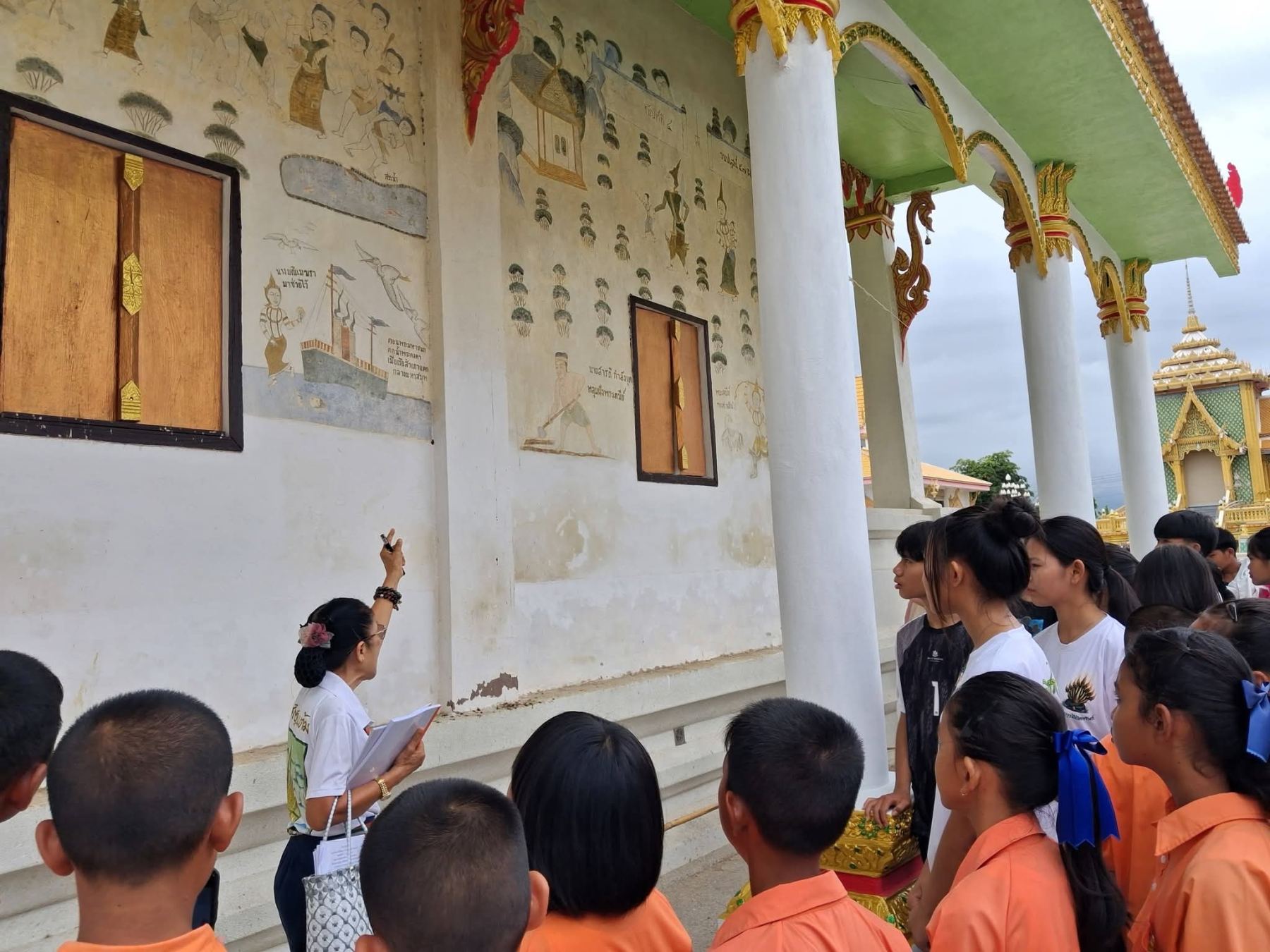
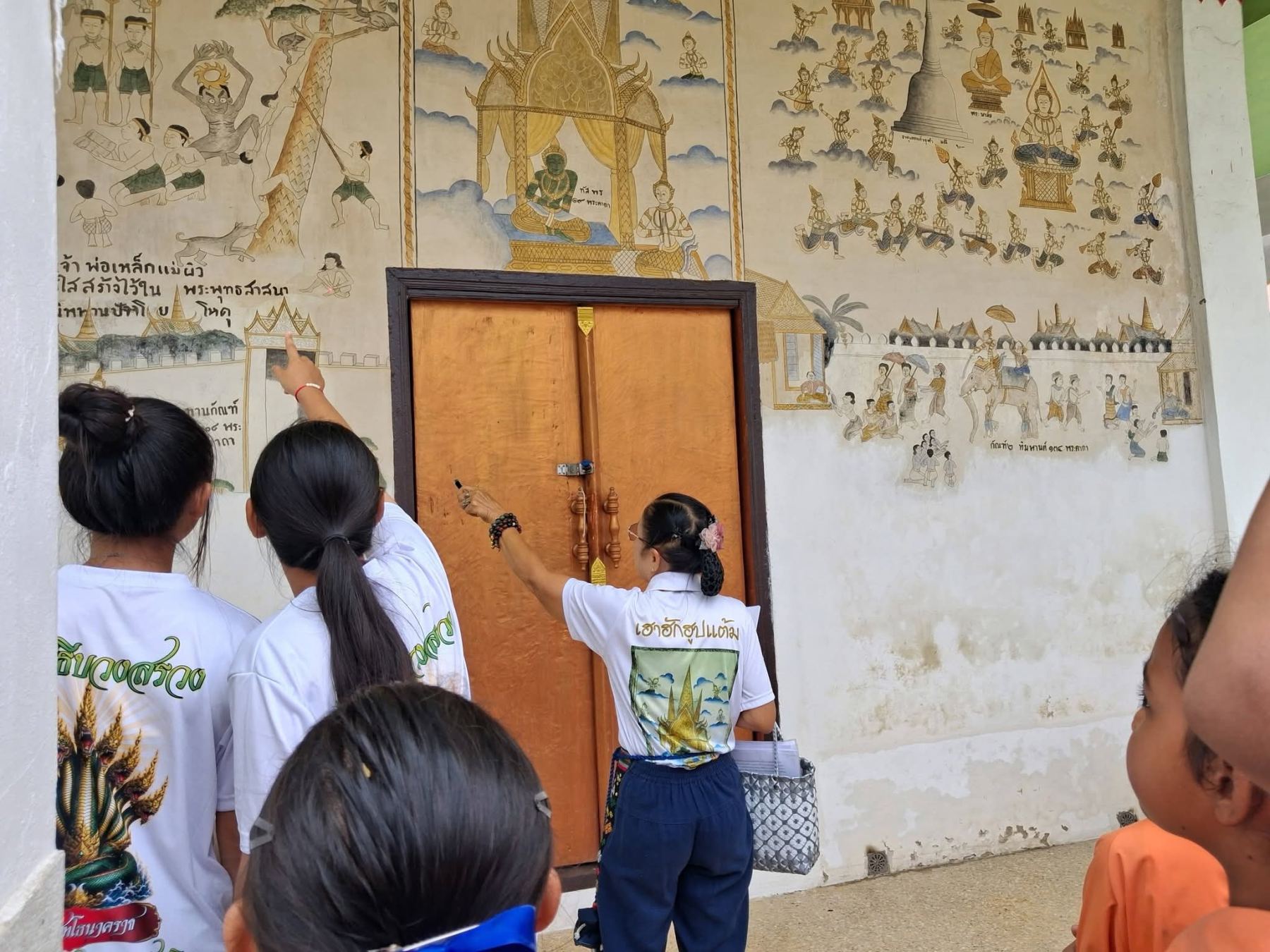
Hup Taem works are popularly painted on the walls of sim (ordination halls); some are painted on the lower wall sections of ho jak or vihara, including the wall bases of ho thammasat as well. But what distinguishes Isan Hup Taem from elsewhere is that Chang Taem prefer to paint Hup Taem on the exterior walls of buildings (though some parts are painted inside the sim or both inside and outside). This practice likely accords with the Isan custom of not allowing women to enter the sim. And considering practical utility, this is appropriate for disseminating and accessing the content and stories in Hup Taem, so that everyone of all genders and ages can conveniently view the Hup Taem, with eaves or wing-like roofs sheltering and protecting from sun and rain all around.
💚 Who is the Chang Taem
Initially, the Chang Taem or founder is usually someone with basic artisan knowledge both worldly and spiritual, who receives respect or acceptance from the community as a "village scholar." Especially among those called "Chang Phra" — when they leave the monkhood, they bring that knowledge and ability to use as supplementary occupation after the rice-growing season, or sometimes as their main occupation.
💚 Hup Taem and Society-Culture
Isan Hup Taem (in the past) reflects characteristics of an egalitarian social structure, especially stories related to villager ways of life, reflecting certain values of informality quite different from societies with rules or hierarchical structures like the central region. Even when the content involves Jataka tales, whether the Ramakien or Ramayana, whose essential content praises the king as an avatar of Narayana who subdues evil for humanity — this being Indian court culture — and especially popular are stories of the Buddha's life, the Ten Great Births, Jataka, Vessantara, past Buddhas, Phra Malai, hell imagery, as well as entertaining tales or amusing local stories like Sin Sai Surivong, Aphim, Palak Phra Lam, and most importantly, accounts of local people's artistic and cultural customs such as the Hae Song ritual, Bun Phawet festival, cremation ceremonies, the Su Khwan ritual, mor lam and mor khaen performances, the Long Khwang ritual, aesthetic characteristics of dress for both local people and those of different cultures, including straightforward expressions of sexuality, with line work emphasising simplicity and direct clarity.
💚 Important Content Found in Hup Taem
Overall, emphasis is placed on matters related to the merit and demerit of the Five Precepts, which are fundamental principles of coexistence, and stories of sacrifice as seen in the Vessantara Jataka, with villager ways of life woven into the content — whether entertainment culture, playful and somewhat risqué amusements in the straightforward, unpretentious manner of villagers, incorporating or imitating certain external cultural elements according to taste, whether technological modernity, blended with their own culture in distinctive ways through visual storytelling in the style of village artisan lineages and urban artisan lineages influenced by court artisans of both Lao royal and Bangkok royal traditions. But regardless of which mainstream court influence they received, all these Hup Taem integrated village and urban culture in blended fashion, more or less depending on the Chang Taem's taste and the degree of socio-cultural-political dominance.
💚 Characteristics of Images and Techniques for Creating Hup Taem
Before the Chang Taem begins painting on walls, there are steps to prepare the surface before sketching — usually whitewashing the base, then sketching with pencil, then applying colour. Popular colours are natural pigments, and they may use sap from the bong tree bark or animal glue, with each locality's artisans having somewhat different techniques. But overall, the steps and material selection follow similar approaches. Nevertheless, the distinctive excellence of Hup Taem that differs from temple to temple depends on the Chang Taem's skill and craftsmanship. Because Chang Taem face limitations regarding the surface area available for painting, since Isan sim are small, they must use ingenuity and creativity in selecting which images to present completely according to the narrative, requiring considerable expertise and experience in decision-making.
💚 Isan Hup Taem is considered valuable artisan work, expressed without necessarily always requiring refinement. The Chang Taem may work roughly and quickly, but with abundant emotion and vitality. Moreover, aesthetic qualities that blend harmoniously with the environment within small-scale architectural spaces, and Hup Taem with Isan folk-style principal Buddha images, have a harmonious blending of craftsmanship in the "folk art" manner that relates as one with the architectural work, and importantly can communicate with villagers naturally according to social and cultural status.
💚 Hup Taem — Values Worth Jointly Conserving
Isan Hup Taem is local artistic work rich with value. One might say that whoever views Hup Taem at any location will have come to know Isan's identity very well indeed. Beyond aesthetic, historical, cultural, customary, and livelihood values, the most important thing is probably the essence of creative expression that the painter or Chang Taem drew with faith and a mind devoted to Dharma, to convey and persuade people who adhere to goodness, causing viewers to feel admiration and desire to deeply study Buddhist principles, equivalent to helping reduce defilements in the mind, leading toward peaceful coexistence in society.
In these times when social currents are complex and chaotic, with variables and temptations causing people to become enchanted with impermanent things, if we could study even a fraction of what previous generations created, it would already be worthwhile. This valuable artistic work deserves to be conserved — not only in our era, but should be preserved to pass on this national artistic heritage to future generations as well.
Credit: Duangduean Chaisoda...
Related posts
 Fak Hup Taem Project
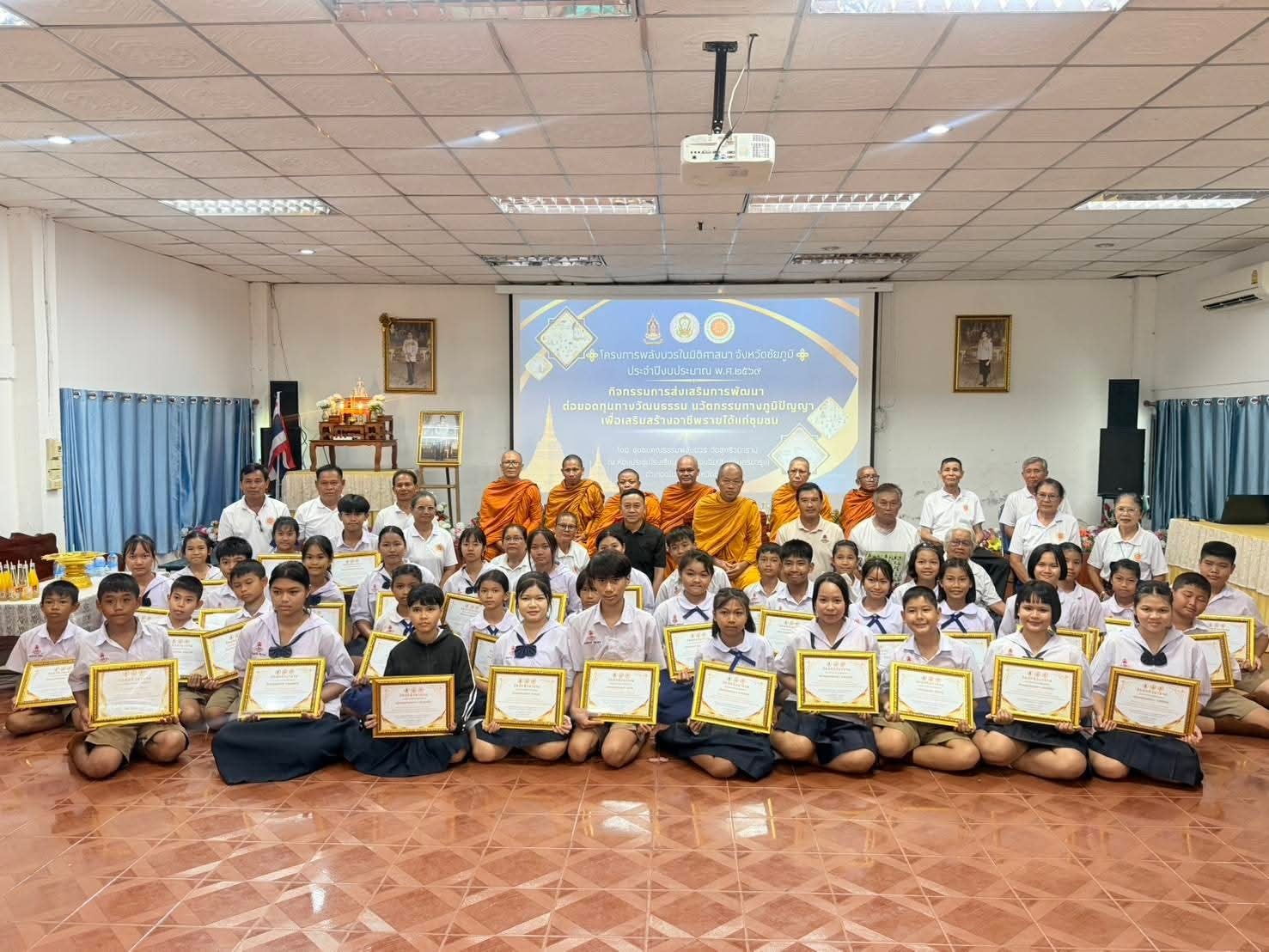
Activity of Nong Chim people 18 September 2026, Phra Khru Sutthiworanuwat, together with Phra Khun Chao of Wat Sutthiwannaram, the temple committee, and followe…
 Lecture on "Hup Taem" of Our Village
10 September 2026 Today, Teacher Mae Tim served as a lecturer providing knowledge on the history of characters in the Hup Taem murals of the Ten Great Birth Sto…
Share this story
20 more photos and a map below
Place